Category: HUMAN

  • What Happens When One Person Comes Back

    What Happens When One Person Comes Back

    English | Español | 한국어 | 中文 | 日本語 | Français | Deutsch | Italiano | हिन्दी

    At fourteen, he left the forge. At twenty-six, he came back. And an old family tradition began moving forward in an unexpected way.


    The Boy Who Left the Forge

    At fourteen, Manuel Jaén left his village.

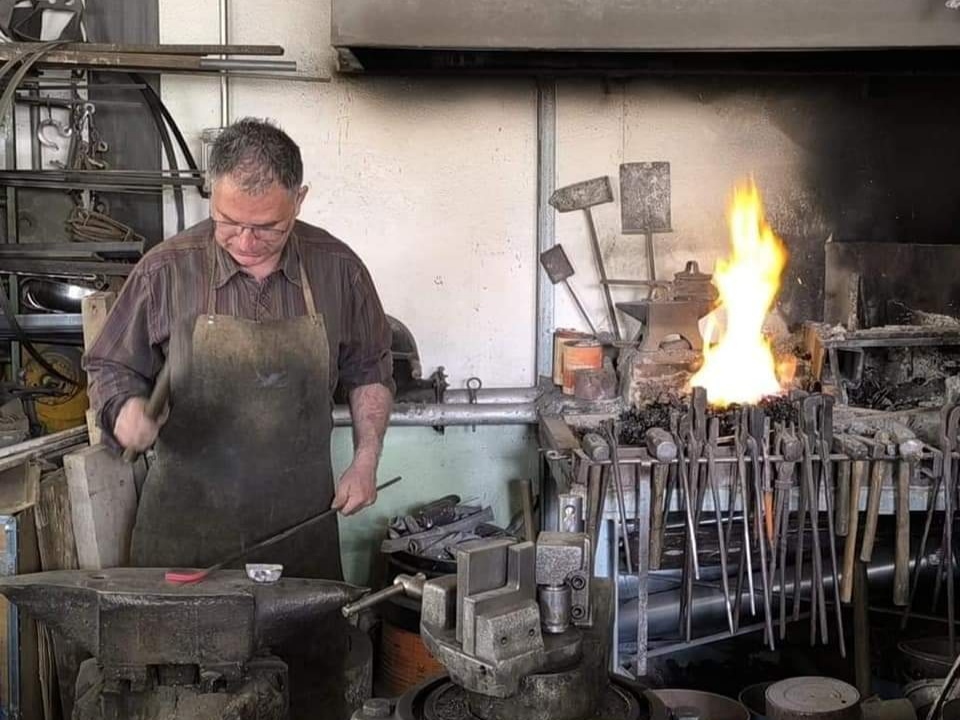
    Santibáñez de Béjar is a small village in the province of Salamanca in western Spain. For generations, Manuel’s family had worked iron there. In their forge, they made a type of balance scale known in Spain as a romana — a scale that measures weight using a counterweight, a lever, and gravity. It needs no electricity. It has no screen.

    Long before Manuel was born, the men in his family were already heating and hammering iron in that forge. The craft reached back at least one generation before his great-grandfather Pascual. Then came his grandfather Manuel, his father Gabriel, and his uncle Rafael.
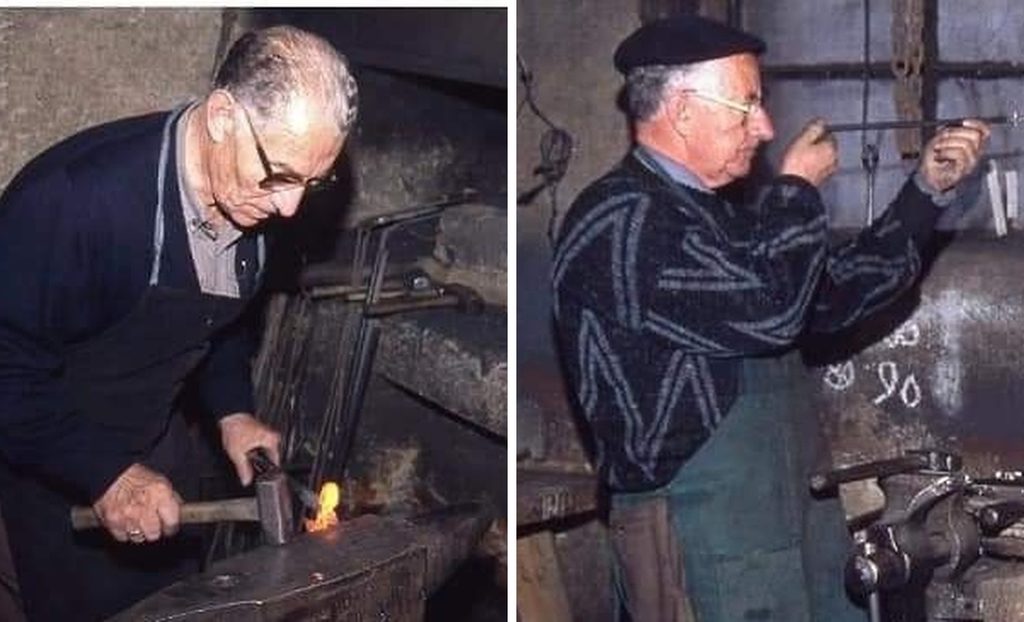
    Left: Rafael Jaén Jiménez, Manuel’s uncle. Right: Gabriel Jaén Jiménez, Manuel’s father

    Years later, Manuel would describe himself as “un niño de fragua” — “a child of the forge.” Fire, iron, and the sound of a hammer were part of his childhood long before he could think of them as tradition.

    For his father, Gabriel, the craft had an even more practical meaning. After living through difficult times, he traveled from village to village carrying the romanas he had made and selling them. A scale held more than a family technique. It was also a way to make a living.

    But his parents did not believe their son necessarily had to repeat that life.

    They used to tell him: “The forge is already yours.”

    The forge was a path he could always choose. It was not a path he had to choose.

    They wanted Manuel to experience “other galaxies” and to have the chance to choose his own path. Manuel’s two older sisters, Leonor and María Jesús, had also followed their own paths away from the village, becoming a nurse and a biologist, respectively.

    And so, at fourteen, Manuel left the forge.


    We often understand which moments were truly crossroads only after we have traveled some distance beyond them. In Robert Frost’s The Road Not Taken, a man stands before two roads.

    “Two roads diverged in a yellow wood.”

    At first, the two roads do not look so different. Sometimes the crossroads in our lives are like that too.

    When Manuel left his village, probably no one imagined that the road taking him away from the forge would one day lead him back to it.
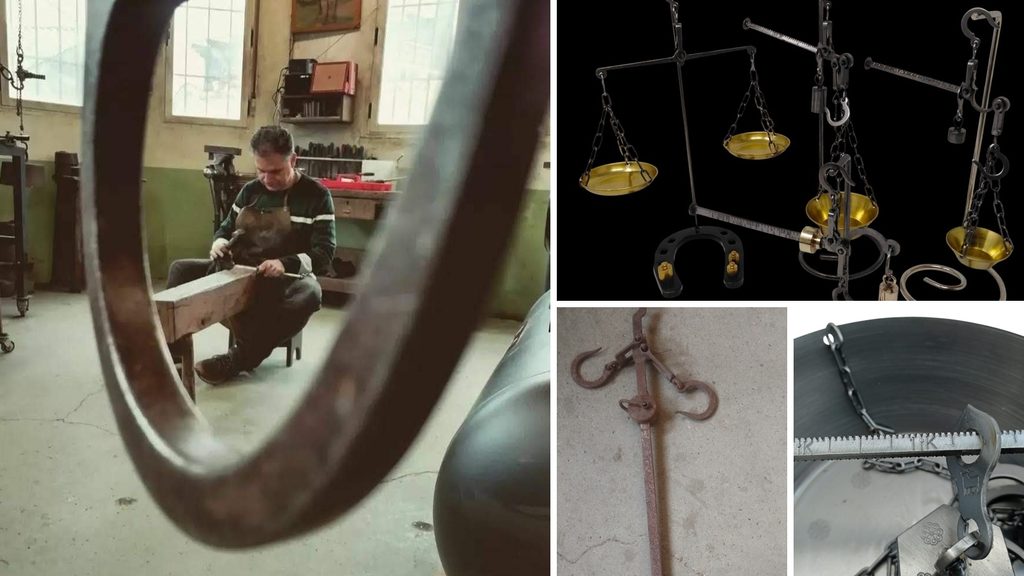
    He didn’t know either.

    Manuel studied industrial electronics and later computer science. He trained at Telefónica and prepared for the possibility of working there.

    If the world he had left behind was one of iron, fire, and hammers, the world ahead of him was one of electronics and computers. One was a world his family had learned over generations; the other was the rapidly approaching world of the future.

    His life seemed to be heading toward the latter.


    The Young Man Who Came Back

    Then two things happened. The privatization of Telefónica disrupted the career path Manuel had been preparing for. Back in his village, his father Gabriel had already retired, and his uncle Rafael — the last member of the family still working in the forge — was preparing to retire as well.

    Manuel went back to the forge. He was twenty-six. It was the same place. But the person who had left and the person who came back were no longer the same.

    The decision surprised those around him. A young man who had finished his studies and was preparing for another path had decided to make romanas in the forge of a small village. His family, however, did not try to stop him. They helped him build his own path.

    Decades later, Manuel described that moment differently: “I didn’t return. I opened a new path.” Those are the words of the Manuel of today, looking back. Because the young Manuel did not know where that path would lead.

    When TENVER asked what he had been thinking at the time, Manuel answered: “I wasn’t thinking about anything. I was just getting through each day.” It was not an easy road. He learned from his mistakes and put what he earned back into the work.
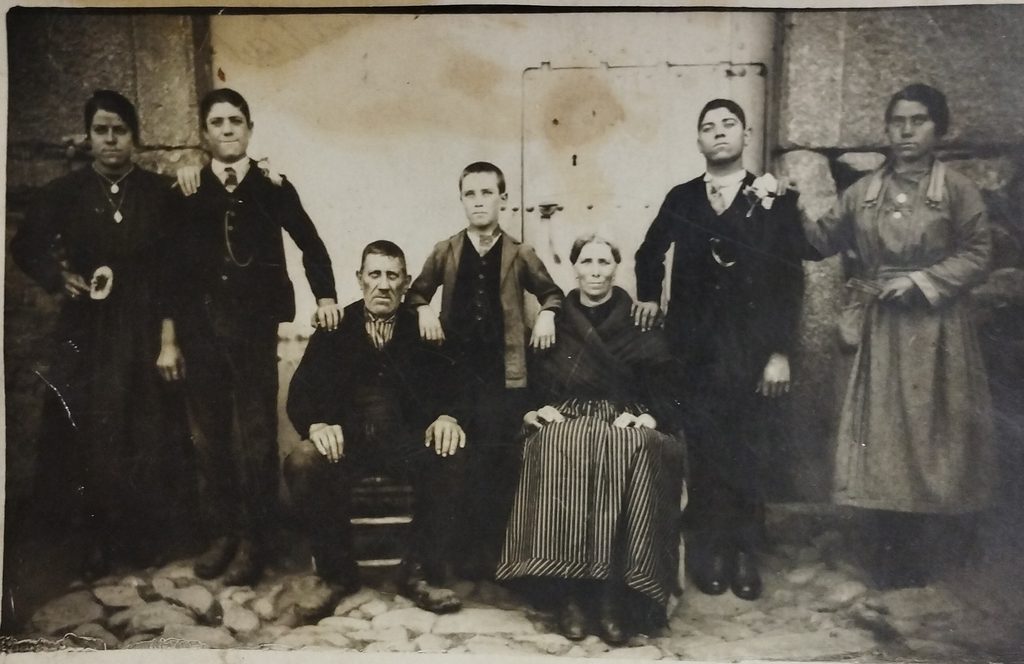
    Pascual Jaén and Paula Briz with their children, around the 1920s. All of them learned to make romanas.

    In his studies, Manuel had learned electronics and computing. He had learned technical drawing and ways to organize work more systematically. Little by little, he began bringing that knowledge into the forge.

    The parts of the romana, made for generations through experience, began appearing one by one on graph paper. Measurements and forms passed down through generations of practiced hands were transferred into lines and numbers on paper.

    We do not know whether this was the future his parents had imagined for their son. But the knowledge that had taken Manuel out of the forge was now entering the forge with him.


    In old bakeries, part of the previous day’s dough is kept and mixed into a new batch. It is the sourdough starter.

    Not to make yesterday’s bread again, but to ferment new dough and make today’s bread.

    Perhaps continuity works something like that: not repeating the past exactly, but mixing part of it with what belongs to the present. What emerges is neither yesterday nor something entirely new.

    It becomes something of today.


    What Came Back With Him

    Manuel still makes romanas. He cuts the iron, heats it, and hammers it. He assembles the pieces and adjusts the balance of the scale. It is an old principle that needs neither computers nor electronic devices. He calls it “pure physics.”
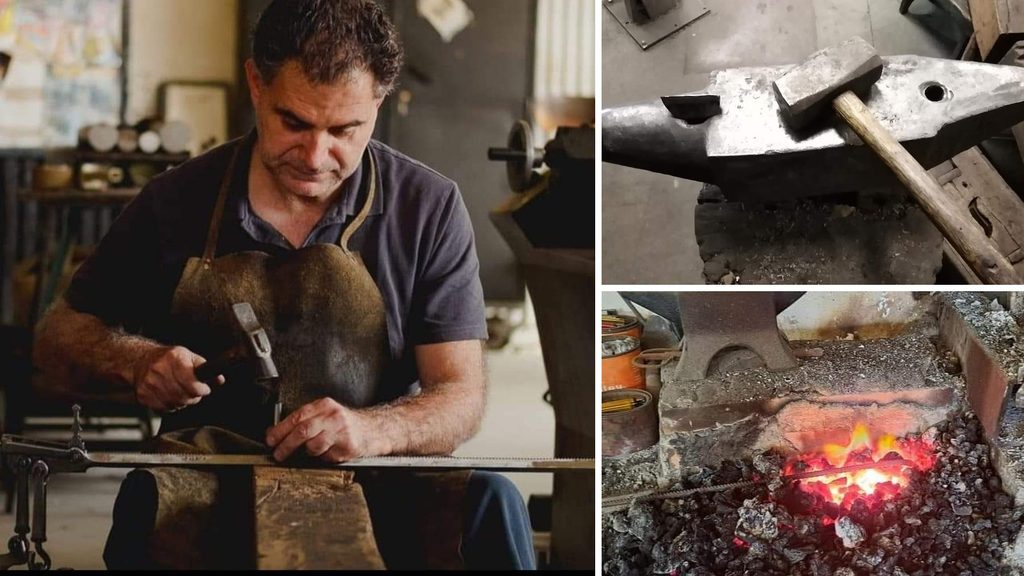
    But for Manuel, the balance of a scale is not only a matter of physics. When he speaks about the romana, words such as fairness, honesty, impartiality, and neutrality begin to appear.

    “Everything in this life that has weight passes through the judgment of the romana.”

    After so many years of making scales, there came a point when, for Manuel, a scale was no longer simply an instrument for weighing.

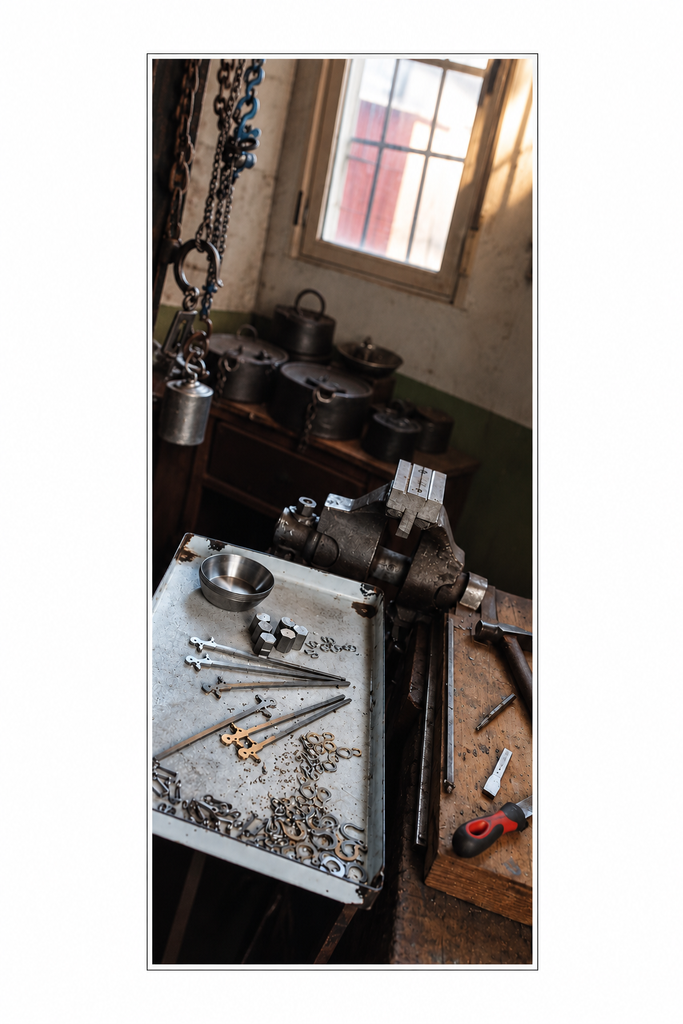
    Even in a world filled with digital scales, people still seek out a romana. Some order a new one. Others return to Manuel’s workshop carrying an old scale with them. Manuel places those old romanas back on his workbench. He takes them apart, removes the rust and dirt, repairs what is damaged, and puts them back together. When necessary, he searches for old parts that fit and readjusts the balance so the scale can weigh again.

    When the work is finished, Manuel returns the old scale to its owner. He still likes seeing their faces.


    What Would Have Happened to the Romana If Manuel Had Not Returned?

    The romana itself probably would not have disappeared from the world. Old scales would still have remained in museums, old houses, and storerooms. But an object surviving is not the same as someone surviving who knows how to make it.

    Which iron to choose. How hot to make it. Where to strike it. How to find the balance. What to look at first when something goes wrong. Knowledge like this is not always written down. Some knowledge cannot be recovered simply by reading a manual.

    Because sometimes knowledge is stored not in books, but in people.


    The Road After Manuel

    Manuel has two daughters, Nerea and Valeria.

    Their stories have not yet been written.

    Manuel says his daughters should open their own paths and do what they want to do. He and his wife, Merche, will be there to help them.

    We do not know whether those paths will ever lead to the forge. Manuel himself did not know, when he left at fourteen, whether he would ever return.

    Long ago, his parents had told him something similar:

    “The forge is already yours.”

    A generation ago, those words sent a boy out of the forge. No one yet knows where those same words will lead the next generation.


    TENVER VIEW

    A forge and computer science. Two worlds we would hardly expect to find in the same story. Yet in Manuel’s life, they met.

    Their meeting created something that had not existed before.

    We are now living through another enormous transformation. Artificial intelligence is rapidly changing the way we work, learn, and create. The faster the world changes, the greater the distance can seem between experience accumulated over many years and new technology. What seemed necessary yesterday can look old today and, at some point, even disappear.

    At times like these, we tend to place the old and the new on opposite sides. But the path Manuel has taken shows us that they do not necessarily have to stand on opposite sides. And it leaves us with one question.

    What is the sourdough starter of our time?
  • ଯେଉଁ ଆସନ୍ତାକାଲିକୁ ସେ ହୁଏତ ଦେଖିପାରିବେ ନାହିଁ, ସେହି ଆସନ୍ତାକାଲି ପାଇଁ ଗଛ ଲଗାଉଥିବା ମଣିଷ

    ଯେଉଁ ଆସନ୍ତାକାଲିକୁ ସେ ହୁଏତ ଦେଖିପାରିବେ ନାହିଁ, ସେହି ଆସନ୍ତାକାଲି ପାଇଁ ଗଛ ଲଗାଉଥିବା ମଣିଷ

    English | ଓଡ଼ିଆ

    ଗୁଣ୍ଠିରାମ ଜେନା ପ୍ରାୟ ୨୦ ବର୍ଷ ବୟସରେ ଗଛ ଲଗାଇବା ଆରମ୍ଭ କରିଥିଲେ। ପଞ୍ଚଚାଳିଶ ବର୍ଷ ପରେ, ସେହି ଛୋଟ ନିଷ୍ପତ୍ତି ପୂର୍ବ ଭାରତର ତାଙ୍କ ଅଞ୍ଚଳରେ ଏକ ଜୀବନ୍ତ ଚିହ୍ନ ଛାଡ଼ିଯାଇଛି।

    TENVER Editorial

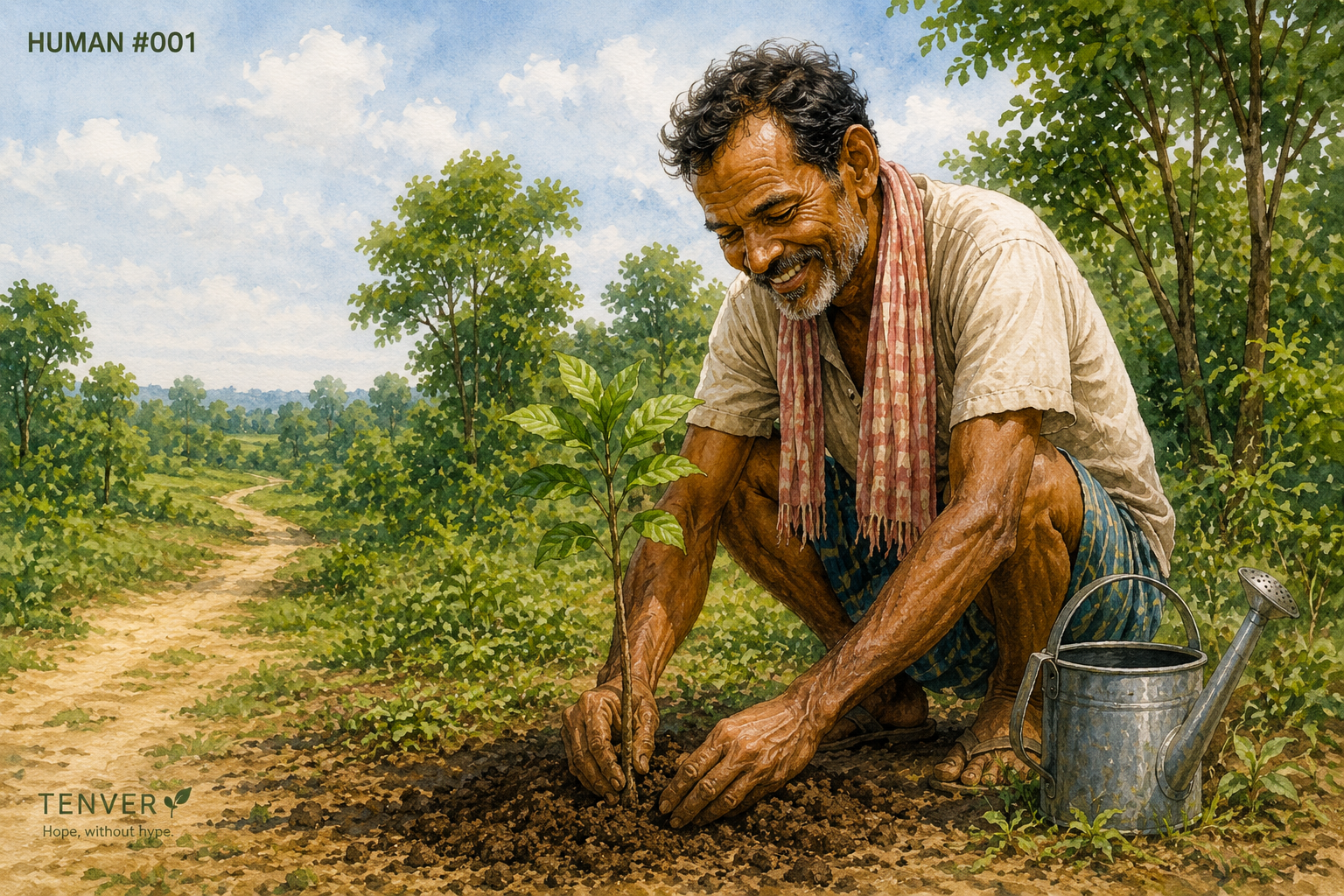
    ପ୍ରକାଶିତ ତଥ୍ୟ ଆଧାରରେ ଓଡ଼ିଶାରେ ଜେନାଙ୍କ ବୃକ୍ଷରୋପଣ କାର୍ଯ୍ୟକୁ ନେଇ ପ୍ରସ୍ତୁତ ସମ୍ପାଦକୀୟ ଚିତ୍ରଣ। ଏହା ଗୁଣ୍ଠିରାମ ଜେନାଙ୍କ ପ୍ରକୃତ ଫଟୋ ନୁହେଁ।

    ୧୯୫୩ ମସିହାରେ ଫରାସୀ ଲେଖକ ଜାଁ ଜିଓନୋ The Man Who Planted Trees ପ୍ରକାଶ କରିଥିଲେ।

    ସେହି କାହାଣୀର ମୁଖ୍ୟ ଚରିତ୍ର ଏଲ୍‌ଜେଆର୍ ବୁଫିଏ ଥିଲେ ଫ୍ରାନ୍ସର ପ୍ରୋଭାନ୍ସ ଅଞ୍ଚଳର ଏକ ଶୁଷ୍କ ଭୂମିରେ ଏକାକୀ ରହୁଥିବା ଜଣେ ମେଷପାଳକ। କେହି ତାଙ୍କୁ କହିନଥିଲେ। କେହି ତାଙ୍କୁ ଏହି କାମ ଦେଇନଥିଲେ। ତଥାପି ସେ ଏକ କାମ ଆରମ୍ଭ କଲେ—ଏକୋର୍ନ ବାଛି ଗୋଟିଏ ପରେ ଗୋଟିଏ କରି ମାଟିରେ ରୋପଣ କରିବା।

    ବର୍ଷ ପରେ ବର୍ଷ କଟିଗଲା। ଶୁଷ୍କ ଭୂମିରେ ଜଙ୍ଗଲ ଉଠିଲା।

    ପାଣି ଫେରିଲା।

    ଜୀବନ ମଧ୍ୟ ଫେରିଲା।

    କାହାଣୀଟି ଏତେ ବିଶ୍ୱସନୀୟ ଥିଲା ଯେ କେତେକ ପାଠକ ଭାବିଥିଲେ ବୁଫିଏ ସତରେ ଥିଲେ।

    ସେ ଥିଲେ ନାହିଁ।

    ଗୁଣ୍ଠିରାମ ଜେନା ଅଛନ୍ତି।

    ଜେନା ପୂର୍ବ ଭାରତର ଓଡ଼ିଶା, ଯାଜପୁର ଜିଲ୍ଲାର ଉଆସାହି ଗ୍ରାମର ଜଣେ ଦିନମଜୁରିଆ। ୨୦୨୫ର ଏକ ରିପୋର୍ଟରେ ତାଙ୍କ ବୟସ ୬୫ ବର୍ଷ ବୋଲି ଉଲ୍ଲେଖ କରାଯାଇଥିଲା। ଜୀବିକା ପାଇଁ ଦୈନିକ ମଜୁରି କାମ କରିବା ସହିତ ସେ ପ୍ରାୟ ୪୫ ବର୍ଷ ଧରି ଗଛ ଲଗାଇ ଆସୁଛନ୍ତି ଏବଂ ସେଗୁଡ଼ିକର ଯତ୍ନ ନେଉଛନ୍ତି।

    ଏହି ବର୍ଷଗୁଡ଼ିକରେ ଜେନା ପ୍ରାୟ ଏକ ଲକ୍ଷ ଚାରା ଲଗାଇଥିବା ଆକଳନ କରାଯାଇଛି।

    କିନ୍ତୁ ସଠିକ୍ ସଂଖ୍ୟାଟି ବୋଧହୁଏ ତାଙ୍କ କାହାଣୀର ସବୁଠାରୁ କମ୍ ଗୁରୁତ୍ୱପୂର୍ଣ୍ଣ ଅଂଶ।

    ସେ ମାଟିରେ ଲଗାଇଥିବା ପ୍ରତ୍ୟେକ ଚାରାକୁ କେହି ଗଣିଥିବାର ପ୍ରମାଣ ମିଳେନାହିଁ।

    ତାଠାରୁ ଅଧିକ ଗୁରୁତ୍ୱପୂର୍ଣ୍ଣ କଥାଟି ଅଧିକ ସହଜରେ ସ୍ଥାପିତ କରାଯାଇପାରେ—ଏବଂ ତାହାକୁ ଅସ୍ୱୀକାର କରିବା ଅଧିକ କଷ୍ଟକର।

    ପ୍ରାୟ ୪୫ ବର୍ଷ ଧରି ସେ ଗଛ ଲଗାଇ ଚାଲିଥିଲେ।

    ସଂଖ୍ୟାଟି ଆକଳନ ହୋଇପାରେ। କିନ୍ତୁ ତାଙ୍କ ଅବିରତତା ଆକଳନ ନୁହେଁ।

    ଏକ ରେଡିଓ ଏବଂ ୪୫ ବର୍ଷ

    ପ୍ରାୟ ୧୯୮୦ ମସିହାରେ ଜେନାଙ୍କ ବୟସ ପାଖାପାଖି ୨୦ ବର୍ଷ ଥିଲା। ସେତେବେଳେ ସେ ରେଡିଓରେ ବନୀକରଣ ବିଷୟରେ ଏକ କାର୍ଯ୍ୟକ୍ରମ ଶୁଣିଥିଲେ।

    ତାଙ୍କର ବନବିଜ୍ଞାନର କୌଣସି ତାଲିମ ନଥିଲା।

    ସେ କୌଣସି ପରିବେଶ ସଂଗଠନର ସଦସ୍ୟ ନଥିଲେ।

    ଏହା କୌଣସି ସରକାରୀ ପ୍ରକଳ୍ପ ମଧ୍ୟ ନଥିଲା।

    କିନ୍ତୁ ସେହି ରେଡିଓ କାର୍ଯ୍ୟକ୍ରମର କିଛି କଥା ତାଙ୍କ ମନରେ ରହିଗଲା।

    ସେ ଗଛ ଲଗାଇବା ଆରମ୍ଭ କଲେ।

    ଆମ୍ବ। ପଣସ। ନଡ଼ିଆ। ପିଜୁଳି। ବେଲ। ବରଗଛ।

    ଦିନର ମଜୁରି କାମ ସରିବା ପରେ ଜେନା ବୀଜ, ଚାରା ଏବଂ ଏକ କୋଦାଳ ନେଇ ପୁଣି ବାହାରି ପଡ଼ୁଥିଲେ।

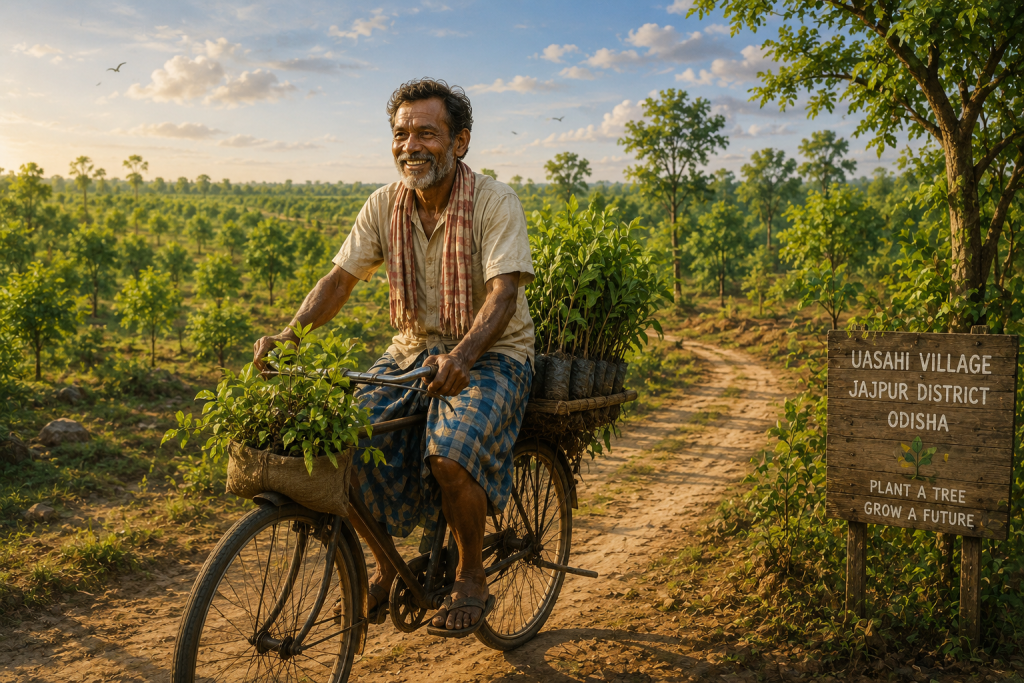
    କେତେବେଳେ ପୁରୁଣା ସାଇକେଲରେ ବୀଜ ଓ ଛୋଟ ଚାରାର ବସ୍ତା ବୋହି ଗାଁରୁ ଗାଁ ବୁଲୁଥିଲେ—ଗଛ ବଢ଼ିପାରିବା ଭଳି ସ୍ଥାନ ଖୋଜିବା ପାଇଁ।

    ଏହା ତାଙ୍କ ଚାକିରି ନଥିଲା।

    କେହି ତାଙ୍କୁ ଏଥିପାଇଁ ଟଙ୍କା ଦେଉନଥିଲେ।

    ୨୦୨୫ରେ ତାଙ୍କ ଦୈନିକ ମଜୁରି ପ୍ରାୟ ୪୦୦ ଟଙ୍କା ବୋଲି ରିପୋର୍ଟ ହୋଇଥିଲା। ସେତେବେଳେ ତାହା ପ୍ରାୟ ୪ରୁ ୫ ଆମେରିକୀୟ ଡଲାର ସମାନ ଥିଲା।

    ସେହି ସୀମିତ ଆୟରୁ ମଧ୍ୟ କିଛି ଟଙ୍କା ଚାରାଗୁଡ଼ିକୁ ସୁରକ୍ଷା ଦେବା ପାଇଁ ଦଉଡ଼ି, ଅଖା ଏବଂ ଅନ୍ୟ ସାମଗ୍ରୀ କିଣିବାରେ ଖର୍ଚ୍ଚ ହେଉଥିଲା।

    ମାସ ବର୍ଷ ହେଲା।

    ବର୍ଷ ଦଶନ୍ଧି ହେଲା।

    ଗଛ ଲଗାଇବା ପରେ ଆସେ କଠିନ କାମ

    ଜେନା କେବଳ ଚାରାଟିଏ ମାଟିରେ ପୋତି ଦେଇ ଚାଲିଯାଉନଥିଲେ।

    ସେ ନିକଟସ୍ଥ ଜଳସ୍ରୋତରୁ ପାଣି ଆଣୁଥିଲେ, ଛୋଟ ଗଛଗୁଡ଼ିକୁ ସୁରକ୍ଷା ଦେଉଥିଲେ ଏବଂ ସେଗୁଡ଼ିକ ଚେର ଧରି ବଞ୍ଚି ରହିବା ପାଇଁ ପୁଣି ପୁଣି ଫେରି ଆସୁଥିଲେ।

    ଏହି ପାର୍ଥକ୍ୟଟି ଗୁରୁତ୍ୱପୂର୍ଣ୍ଣ।

    ଗଛ ଲଗାଇବା ଗୋଟିଏ ମୁହୂର୍ତ୍ତର କାମ ହୋଇପାରେ। କିନ୍ତୁ କୌଣସି ଜୀବନକୁ ବଞ୍ଚାଇ ରଖିବା ଏକ ନିରନ୍ତର ଅଭ୍ୟାସ।

    ଗଛ ଲଗାଉଥିବା ମଣିଷର ମନ

    ଯିଏ କେବେ ବୀଜ କିମ୍ବା ଚାରା ଲଗାଇଛି, ସେ ଜାଣେ ତା’ପରେ କ’ଣ ହୁଏ।

    ଆପଣ ସେହି ସ୍ଥାନ ଛାଡ଼ି ଚାଲିଆସିପାରନ୍ତି, କିନ୍ତୁ ମନଟି ସମ୍ପୂର୍ଣ୍ଣ ଭାବେ ସେଠାରୁ ଫେରେନାହିଁ।

    କିଛି ଦିନ ବର୍ଷା ନହେଲେ ଚିନ୍ତା ହୁଏ।

    ଅତ୍ୟଧିକ ବର୍ଷା ହେଲେ ମଧ୍ୟ ଚିନ୍ତା ହୁଏ।

    ପ୍ରଚଣ୍ଡ ଗରମ କିମ୍ବା ଜୋର ପବନର ରାତିକୁ ମଧ୍ୟ ଆପଣ ଅଲଗା ଭାବରେ ଦେଖିବା ଆରମ୍ଭ କରନ୍ତି—କାରଣ କେଉଁଠି ନା କେଉଁଠି ଆପଣ ଲଗାଇଥିବା ଏକ ଛୋଟ ଗଛ ସେହି ପାଗରେ ଠିଆ ହୋଇଛି।

    ଶେଷରେ ଆପଣ ପୁଣି ଯାଇ ଦେଖନ୍ତି।

    ଜେନା ମଧ୍ୟ ଫେରୁଥିଲେ।

    ସେ ଚାରାଗୁଡ଼ିକୁ ପାଣି ଦେଉଥିଲେ, ସୁରକ୍ଷା କରୁଥିଲେ ଏବଂ ଆଉ ଗଛ ଲଗାଉଥିଲେ।

    ସେ ଦଶନ୍ଧି ଧରି ଏହି କାମ କରିଚାଲିଲେ।

    ଦୁନିଆ ବଦଳୁଥିବା ବେଳେ

    ୪୫ ବର୍ଷ ମଣିଷର ଜୀବନରେ ଏକ ଦୀର୍ଘ ସମୟ।

    ଜେନା ପ୍ରାୟ ୧୯୮୦ରେ ଗଛ ଲଗାଇବା ଆରମ୍ଭ କରିଥିଲେ।

    ଭାରତ ବଦଳିଲା।

    ଓଡ଼ିଶା ବଦଳିଲା।

    ୧୯୯୯ରେ ଓଡ଼ିଶାରେ ଭୟଙ୍କର ମହାବାତ୍ୟା ଆସିଲା। ପ୍ରଚଣ୍ଡ ପବନ, ଜଳୋଚ୍ଛ୍ୱାସ ଏବଂ ବନ୍ୟାରେ ହଜାର ହଜାର ଲୋକଙ୍କ ଜୀବନ ଗଲା; ଘର, ଚାଷଜମି ଏବଂ ଗଛପଲା ବିପୁଳ ଭାବେ ନଷ୍ଟ ହେଲା।

    ସେତେବେଳକୁ ଜେନା ପ୍ରାୟ ଦୁଇ ଦଶନ୍ଧି ଧରି ଗଛ ଲଗାଇ ସାରିଥିଲେ।

    ମହାବାତ୍ୟା ପରେ ମଧ୍ୟ ସେ ରୁକିଲେ ନାହିଁ। ଗଛପଲା ନଷ୍ଟ ହୋଇଥିବା ଅଞ୍ଚଳରେ ମଧ୍ୟ ସେ ଗଛ ଲଗାଇବା ଜାରି ରଖିଲେ।

    ଗ୍ରୀଷ୍ମ ପରେ ଗ୍ରୀଷ୍ମ ଗଲା।

    ବର୍ଷା ଋତୁ ଆସିଲା, ଗଲା।

    ସେ ଲଗାଇଥିବା ପ୍ରତ୍ୟେକ ଚାରା ବଞ୍ଚିଲା ନାହିଁ।

    କିନ୍ତୁ ଜେନା ଗଛ ଲଗାଇବା ବନ୍ଦ କଲେ ନାହିଁ।

    ଜଣେ ମଣିଷର କାମର ପରିମାଣ

    ଏହି କାମର ପରିମାଣ ବୁଝିବା ପାଇଁ ଏକ ପରିଚିତ ସ୍ଥାନକୁ ମନେ ପକାଇପାରିବା।

    ନ୍ୟୁୟର୍କର ସେଣ୍ଟ୍ରାଲ ପାର୍କ ୮୪୩ ଏକର ଜମିରେ ବିସ୍ତୃତ ଏବଂ ସେଠାରେ ପ୍ରାୟ ୧୮,୦୦୦ଟି ଗଛ ଅଛି।

    ସେହି ଗଛଗୁଡ଼ିକର ଯତ୍ନ ପେଶାଦାର ବୃକ୍ଷ ବିଶେଷଜ୍ଞମାନେ ଏକ ସଂଗଠିତ ବ୍ୟବସ୍ଥା ମଧ୍ୟରେ ନେଇଥାନ୍ତି।

    ଜେନାଙ୍କ ପଛରେ ସେପରି କୌଣସି ସଂଗଠନ ନଥିଲା।

    ତାଙ୍କ ପାଖରେ ଥିଲା ଏକ ସାଇକେଲ।

    ଏକ କୋଦାଳ।

    ଆଉ ଦିନର ମଜୁରି କାମ ସରିବା ପରେ ବଞ୍ଚିଥିବା ସମୟ।

    କାମ ସରିବା ପରେ କେତୋଟି ଗଛ ଲଗାଉଥିବା ଜଣେ ମଣିଷ ଗୋଟିଏ ରାତିରେ ଭୂଦୃଶ୍ୟ ବଦଳାଇ ଦେଇପାରେ ନାହିଁ।

    ଗୋଟିଏ ବର୍ଷ ବିତିଯାଇପାରେ—ଦେଖିବାକୁ ବିଶେଷ କିଛି ଘଟିନଥିବା ପରି।

    କିନ୍ତୁ ୪୫ ବର୍ଷ ଅଲଗା କଥା।

    ସେ ବିରାଟ କିଛି କରିବାରୁ ଆରମ୍ଭ କରିନଥିଲେ।

    ସେ ଏକ ଛୋଟ କାମକୁ ଏତେ ଦୀର୍ଘ ସମୟ ଧରି କରିଚାଲିଲେ ଯେ ତାହାର ଫଳ ବିରାଟ ହୋଇଗଲା।

    ଲୋକେ ଯେତେବେଳେ ଧ୍ୟାନ ଦେବା ଆରମ୍ଭ କଲେ

    ଜେନା କରୁଥିବା କାମକୁ ଚାରିପାଖର ଲୋକେ ସବୁବେଳେ ଅସାଧାରଣ ବୋଲି ଭାବୁନଥିଲେ।

    କେତେକ ଗ୍ରାମବାସୀ ପ୍ରଶ୍ନ କରୁଥିଲେ—ଜଣେ ଦିନମଜୁରିଆ ନିଜ କାମ ସରିବା ପରେ ନିଜ ସମୟ ଓ ଟଙ୍କା କାହିଁକି ଗଛ ପଛରେ ଖର୍ଚ୍ଚ କରୁଛନ୍ତି?

    ଏକ ରିପୋର୍ଟ ଅନୁସାରେ, ଚାରାଗୁଡ଼ିକର ସୁରକ୍ଷା ପାଇଁ ସେ ନିଜ ଅଳ୍ପ ଆୟରୁ ଟଙ୍କା ଖର୍ଚ୍ଚ କରୁଥିବାରୁ ତାଙ୍କ ସ୍ତ୍ରୀ ମଧ୍ୟ କେବେ କେବେ ଚିନ୍ତିତ ହୁଅଥିଲେ।

    ଜେନା ତଥାପି ଚାଲିଥିଲେ।

    ଶେଷରେ ଲୋକଙ୍କ ଦୃଷ୍ଟି ବଦଳିଲା।

    ସ୍ଥାନୀୟ ଅଞ୍ଚଳରେ ସେ “Tree Man” ଭାବେ ପରିଚିତ ହେଲେ। ସ୍ଥାନୀୟ ସଂଗଠନଗୁଡ଼ିକ ମଧ୍ୟ ତାଙ୍କ ପରିବେଶ ସେବାକୁ ସ୍ୱୀକୃତି ଦେଲେ।

    ଏଠାରେ ଘଟଣାର କ୍ରମଟି ଗୁରୁତ୍ୱପୂର୍ଣ୍ଣ।

    ଲୋକେ ତାଙ୍କୁ ଚିହ୍ନିବେ ବୋଲି ଜେନା ଗଛ ଲଗାଇବା ଆରମ୍ଭ କରିନଥିଲେ।

    ସେ ଗଛ ଲଗାଇ ଚାଲିଥିଲେ ବୋଲି ଲୋକେ ଶେଷରେ ତାଙ୍କୁ ଚିହ୍ନିଲେ।

    ଯେଉଁ ପରିବାର ଏହି ବର୍ଷଗୁଡ଼ିକୁ ତାଙ୍କ ସହ ବଞ୍ଚିଛି

    ଜେନା ଜଣେ ସ୍ୱାମୀ ଏବଂ ତିନି ଝିଅଙ୍କ ବାପା।

    ତାଙ୍କ ଝିଅ ନିକିତା ନିଜ ବାପାଙ୍କ କାମକୁ ନେଇ ଗର୍ବର ସହ କଥା କହିଛନ୍ତି।

    କିନ୍ତୁ ୪୫ ବର୍ଷ କେବଳ ଜେନାଙ୍କ ଜୀବନରୁ କଟିଯାଇନି।

    ସେ ମଜୁରି କରୁଥିଲେ ଏବଂ ନିଜର ସୀମିତ ଆୟ ଓ ଅବଶିଷ୍ଟ ସମୟର ଏକ ଅଂଶ ଗଛ ପାଇଁ ଦେଉଥିଲେ।

    ସେହି ଦୀର୍ଘ ବର୍ଷଗୁଡ଼ିକ ତାଙ୍କ ପରିବାରର ଜୀବନର ମଧ୍ୟ ଏକ ଅଂଶ ଥିଲା।

    ଜେନାଙ୍କ ଏହି କାହାଣୀ କେବଳ ଜଣେ ମଣିଷ ଓ ସେ ଲଗାଇଥିବା ଗଛମାନଙ୍କ କାହାଣୀ ନୁହେଁ।

    ଏହା ସେହି ଦୀର୍ଘ ସମୟର କାହାଣୀ ମଧ୍ୟ, ଯାହା ଏକ ପରିବାର ତାଙ୍କ ସହ ବାଣ୍ଟିଛି।

    ସ୍ୱୀକୃତି କ’ଣ ବଦଳାଇଲା

    ସ୍ୱୀକୃତି ଶୀଘ୍ର ଆସିନଥିଲା।

    ୨୦୨୫ରେ ମଧ୍ୟ ସ୍ଥାନୀୟ ରିପୋର୍ଟରେ ଜେନା ଓ ତାଙ୍କ ପରିବାର ଏକ ସାଧାରଣ ଛପର ଘରେ ରହୁଥିବା ଉଲ୍ଲେଖ ଥିଲା। ସେତେବେଳେ ମଧ୍ୟ ସେ ଦିନମଜୁରି କରୁଥିଲେ।

    ପରିବାରଟି ଅଧିକ ସ୍ଥାୟୀ ଘର ପାଇଁ ସହାୟତା ଚାହିଁଥିବା ବିଷୟରେ ମଧ୍ୟ ଖବର ପ୍ରକାଶିତ ହୋଇଥିଲା।

    ତା’ପରେ କିଛି ବଦଳିଲା।

    ଜେନାଙ୍କ କାମ ବିଷୟରେ ଜାଣିବା ପରେ Raghu Arikapudi Seva Trust ଆଗକୁ ଆସିଲା।

    ୨୦୨୫ ଅକ୍ଟୋବର ସୁଦ୍ଧା ଏହି ସଂଗଠନ ଜେନା ଓ ତାଙ୍କ ପରିବାର ପାଇଁ ପ୍ରାୟ ୫ ଲକ୍ଷ ଟଙ୍କା ବ୍ୟୟରେ ଏକ ସ୍ଥାୟୀ ଦୁଇ କୋଠରି ବିଶିଷ୍ଟ ଘର ନିର୍ମାଣ କରିଥିଲା।

    ଘରଟିକୁ ଏକ ଯଥାର୍ଥ ନାମ ଦିଆଗଲା—

    Prakruthi Nilayam — “ପ୍ରକୃତିର ଘର।”

    ଗୃହପ୍ରବେଶ ମଧ୍ୟ ହେଲା। ସେତେବେଳେ ସଂଗଠନ ପକ୍ଷରୁ ରୋଷେଇଘର ଓ ଶୌଚାଳୟ ଯୋଡ଼ିବାର ଯୋଜନା ଥିବା କୁହାଯାଇଥିଲା।

    ଦଶନ୍ଧି ପରେ ଆସିଥିବା ସ୍ୱୀକୃତି ଶେଷରେ ତାଙ୍କ ପରିବାରର ଦୈନନ୍ଦିନ ଜୀବନରେ ଏକ ସ୍ପଷ୍ଟ ପରିବର୍ତ୍ତନ ଆଣିଲା।

    ଏକ ଛୋଟ ନିଷ୍ପତ୍ତି ଶେଷରେ କ’ଣ ହେଲା

    ଗୁଣ୍ଠିରାମ ଜେନାଙ୍କ କାମକୁ ବଡ଼ ବଡ଼ ପରିବେଶ ପ୍ରକଳ୍ପ ସହ ମାପିବାର ବିଶେଷ ଆବଶ୍ୟକତା ନାହିଁ।

    ସରକାର ଲକ୍ଷ ଲକ୍ଷ ଗଛ ଲଗାଇପାରେ।

    ଆନ୍ତର୍ଜାତୀୟ ସଂଗଠନ ଓ କମ୍ପାନୀମାନଙ୍କ ପାଖରେ ବିପୁଳ ବଜେଟ୍, ପେଶାଦାର କର୍ମଚାରୀ ଏବଂ ଆଧୁନିକ ବନୀକରଣ ବ୍ୟବସ୍ଥା ରହିପାରେ।

    ଜେନା ଯାହା କଲେ, ତାହା ଅଧିକ ସରଳ।

    ପ୍ରାୟ ୨୦ ବର୍ଷ ବୟସରେ ସେ ରେଡିଓରେ ଗଛ ଲଗାଇବା ବିଷୟରେ ଶୁଣିଲେ।

    ସେ ଗଛ ଲଗାଇବା ଆରମ୍ଭ କଲେ।

    ଏବଂ ପ୍ରାୟ ୪୫ ବର୍ଷ ଧରି ସେ ରୁକିଲେ ନାହିଁ।

    ସମ୍ଭବତଃ ତାଙ୍କ ସଫଳତାକୁ ବୁଝିବାର ସବୁଠାରୁ ସରଳ ଉପାୟ ଏହାହିଁ।

    ସେ ବିରାଟ କିଛି କରିବାରୁ ଆରମ୍ଭ କରିନଥିଲେ।

    ସେ ଏକ ଛୋଟ କାମକୁ ଏତେ ଦୀର୍ଘ ସମୟ ଧରି କରିଚାଲିଲେ ଯେ ତାହାର ଫଳ ବିରାଟ ହୋଇଗଲା।

    ସେହି ବର୍ଷଗୁଡ଼ିକରେ ସେ ଲଗାଇଥିବା ଅନେକ ଚାରା ବଡ଼ ଗଛ ହେଲା।

    ସେଗୁଡ଼ିକ ଛାଇ ଦେଲା।

    ଫଳ ଦେଲା।

    ପକ୍ଷୀ ଓ ଅନ୍ୟ ଜୀବମାନଙ୍କ ପାଇଁ ବଞ୍ଚିବାର ସ୍ଥାନ ସୃଷ୍ଟି କଲା।

    ଏବଂ ପ୍ରାୟ ୨୦ ବର୍ଷ ବୟସରେ ଗଛ ଲଗାଇବା ଆରମ୍ଭ କରିଥିବା ସେହି ଯୁବକଙ୍କୁ ୨୦୨୫ରେ ୬୫ ବର୍ଷ ବୟସର ବୋଲି ରିପୋର୍ଟ କରାଯାଇଥିଲା।

    ଗଛଗୁଡ଼ିକ ବଢ଼ିଲା।

    ତାଙ୍କ ଜୀବନ ମଧ୍ୟ ସେଗୁଡ଼ିକ ସହିତ ଆଗକୁ ବଢ଼ିଲା।

    ଏବେ ଆମର ଦେଖିବାର ପାଳି

    ଆମେ ତାଙ୍କ ନାମ ଜାଣିବାର ବହୁ ପୂର୍ବରୁ, ଗୁଣ୍ଠିରାମ ଜେନାଙ୍କ ହାତରେ ଲଗାଯାଇଥିବା ଚାରାଗୁଡ଼ିକ—ସେହି ହାତର ଯତ୍ନରେ ବଡ଼ ହୋଇଥିବା ଗଛଗୁଡ଼ିକ—ହୁଏତ ନିଜ ନିରବ ଭାଷାରେ ବହୁ ଆଗରୁ ତାଙ୍କୁ ସମ୍ମାନ ଜଣାଇ ଆସୁଥିଲେ।

    ଏବେ ସେହି ଗଛମାନଙ୍କ ପଛରେ ଥିବା ଜୀବନକୁ ଚିହ୍ନିବାର ପାଳି ଆମର।

    TENVER HUMAN ତାହାର ପ୍ରଥମ ବ୍ୟକ୍ତିତ୍ୱ ଭାବେ ଗୁଣ୍ଠିରାମ ଜେନାଙ୍କୁ ପରିଚୟ କରାଉଛି ଏବଂ ଦଶନ୍ଧି ଧରି ଏକ ସରଳ ବିଶ୍ୱାସକୁ ଧରି ରଖିବାର ତାଙ୍କ ନିଷ୍ଠା ଓ ସେହି ନିଷ୍ଠାରୁ ଜନ୍ମ ନେଇଥିବା ଅସାଧାରଣ ଫଳକୁ ସମ୍ମାନ ଜଣାଉଛି।

    ଏହି ଦୀର୍ଘ ଯାତ୍ରାର ବର୍ଷଗୁଡ଼ିକ ତାଙ୍କ ସହ ବଞ୍ଚିଥିବା ପରିବାରକୁ ମଧ୍ୟ ଆମେ ସେହି ସମ୍ମାନ ଜଣାଉଛୁ।

    TENVER HUMAN

    TENVER HUMAN ସେହି ଲୋକମାନଙ୍କ ଜୀବନକୁ ଲିପିବଦ୍ଧ କରେ, ଯେଉଁମାନେ ନିଜ ନିଜ ସ୍ଥାନରେ, ନିଜ ନିଜ ଉପାୟରେ, ବର୍ଷ ପରେ ବର୍ଷ ଏହି ପୃଥିବୀରେ ଅର୍ଥପୂର୍ଣ୍ଣ ଚିହ୍ନ ଛାଡ଼ିଆସିଛନ୍ତି।

    ଆମେ ସେମାନଙ୍କୁ ନାୟକ ବନାଇବାକୁ ଚେଷ୍ଟା କରୁନାହୁଁ।

    ସେମାନେ ଯେଉଁ ପଥରେ ଆଗରୁ ଚାଲିଆସିଛନ୍ତି, ଆମେ ସେହି ପଥକୁ ଧ୍ୟାନର ସହ ଦେଖୁ। ଛିଟିଏଇ ରହିଥିବା ରେକର୍ଡ ଓ ସ୍ମୃତିଗୁଡ଼ିକୁ ଏକାଠି କରୁ—ଯେପରି ସେମାନଙ୍କ ଜୀବନକୁ ଅଧିକ ସମ୍ପୂର୍ଣ୍ଣ ଭାବେ ଦେଖାଯାଇପାରିବ ଏବଂ ସେମାନଙ୍କ କାହାଣୀ ଆଉ ଦୂରକୁ ପହଞ୍ଚିପାରିବ।

    ସ୍ମୃତିଗୁଡ଼ିକ ହାରାଇଯିବା ପୂର୍ବରୁ ସେଗୁଡ଼ିକୁ ଖୋଜି ଲିପିବଦ୍ଧ କରିବାକୁ ମଧ୍ୟ ଆମେ ଚାହୁଁ—ଅତୀତର ଛିଟିଏଇ ରହିଥିବା ଖଣ୍ଡଗୁଡ଼ିକୁ ଆଜି ମଧ୍ୟ ବଞ୍ଚିଥିବା ଜୀବନ ସହ ଯୋଡ଼ିବା ପାଇଁ।

    ସେମାନେ ଛାଡ଼ିଯାଇଥିବା ପଦଚିହ୍ନକୁ ମନେ ରଖିବା। ସେହି କାରଣରୁ TENVER HUMAN ସେମାନଙ୍କୁ ଖୋଜେ।

    ଆମେ ଜାଣିବା ଉଚିତ ଏମିତି କାହାକୁ ଆପଣ ଜାଣନ୍ତି କି?

    କେତେକ ଅସାଧାରଣ ଜୀବନ କେବେ ଲେଖା ହୋଇନଥାଏ।

    ହୁଏତ ସେ ଆପଣଙ୍କ ଗାଁ କିମ୍ବା ସହରର କେହି, ଆପଣଙ୍କ ପରିବାରର କେହି, କିମ୍ବା ଏମିତି ଜଣେ ମଣିଷ ଯାହାଙ୍କୁ ଆପଣ ବର୍ଷ ବର୍ଷ ଧରି ନିରବରେ ଦେଖିଆସୁଛନ୍ତି।

    ଯଦି ଆପଣ ଏମିତି କାହାକୁ ଜାଣନ୍ତି, ଯାହାଙ୍କ କାହାଣୀ ସ୍ମୃତିରୁ ହାରାଇଯିବା ପୂର୍ବରୁ ଲିପିବଦ୍ଧ ହେବା ଉଚିତ, TENVERକୁ ଜଣାନ୍ତୁ।

    ଆପଣଙ୍କୁ ପୂରା କାହାଣୀ ଲେଖିବାର ଆବଶ୍ୟକତା ନାହିଁ।

    କେବଳ ଆମକୁ କୁହନ୍ତୁ—ସେ କିଏ, ସେ କ’ଣ କରିଛନ୍ତି, ଏବଂ ଆପଣ କାହିଁକି ଭାବୁଛନ୍ତି ଯେ ଆମେ ତାଙ୍କୁ ଜାଣିବା ଉଚିତ।

    ତା’ପରେ TENVER ଆଗକୁ ବଢ଼ିବ—ଆମେ ରେକର୍ଡ ଖୋଜିବୁ, ଯେଉଁମାନେ ତାଙ୍କୁ ମନେ ରଖିଛନ୍ତି ସେମାନଙ୍କ କଥା ଶୁଣିବୁ, ତଥ୍ୟ ଯାଞ୍ଚ କରିବୁ, ଏବଂ ସେହି ଜୀବନ ଭିତରେ ଲୁଚିଥିବା ବଡ଼ କାହାଣୀକୁ ଖୋଜିବୁ।

    ଆମେ ଜାଣିବା ଉଚିତ ଏମିତି ଜଣେ ମଣିଷଙ୍କ ବିଷୟରେ ଆମକୁ କୁହନ୍ତୁ।

    ମୁଖ୍ୟ ସୂତ୍ର | Selected Sources

    The Times of India — June 8, 2025
    ଜେନାଙ୍କ ବୟସ, ଗାଁ, ଦିନମଜୁରି କାମ, ରେଡିଓରୁ ପ୍ରେରଣା, ପ୍ରାୟ ୪୫ ବର୍ଷର ବୃକ୍ଷରୋପଣ, ଆନୁମାନିକ ଏକ ଲକ୍ଷ ଚାରା, ଗଛର ଯତ୍ନ, ପରିବାର ଏବଂ ସ୍ଥାନୀୟ ସ୍ୱୀକୃତି ସମ୍ପର୍କିତ ରିପୋର୍ଟ।

    OMMCOM News — August 19, 2025
    ଜେନାଙ୍କ ସାଇକେଲ ଓ କୋଦାଳ ସହ ବୃକ୍ଷରୋପଣ, ଏକାଧିକ ପଞ୍ଚାୟତରେ ତାଙ୍କ କାର୍ଯ୍ୟ, ୧୯୯୯ ମହାବାତ୍ୟା ପରବର୍ତ୍ତୀ ପରିପ୍ରେକ୍ଷ୍ୟ, ସ୍ଥାନୀୟ ସ୍ୱୀକୃତି ଏବଂ ପରିବାରର ଆବାସ ସମସ୍ୟା ସମ୍ପର୍କିତ ରିପୋର୍ଟ।

    Telangana Today — October 15, 2025
    ଜେନା ଓ ତାଙ୍କ ପରିବାର ପାଇଁ ନିର୍ମିତ ଦୁଇ କୋଠରି ବିଶିଷ୍ଟ ସ୍ଥାୟୀ ଘର Prakruthi Nilayam ସମ୍ପର୍କିତ ରିପୋର୍ଟ।

    Central Park Conservancy
    ନ୍ୟୁୟର୍କ ସେଣ୍ଟ୍ରାଲ ପାର୍କର ୮୪୩ ଏକର ଆୟତନ, ପ୍ରାୟ ୧୮,୦୦୦ ଗଛ ଏବଂ ସଂଗଠିତ ବୃକ୍ଷ ପରିଚର୍ଯ୍ୟା ବ୍ୟବସ୍ଥା ସମ୍ପର୍କିତ ତଥ୍ୟ।

    TENVER HUMAN #001
    Tomorrow’s Reality | Hope, without hype.

  • The Man Who Planted for a Tomorrow He May Never See

    The Man Who Planted for a Tomorrow He May Never See

    English | ଓଡ଼ିଆ

    Gunthiram Jena began planting trees when he was about 20. Forty-five years later, that small decision has left a living mark across his corner of eastern India.

    Editorial illustration based on reported details of Jena’s tree-planting work in Odisha. It is not a photograph of Gunthiram Jena.


    In 1953, the French writer Jean Giono published The Man Who Planted Trees.

    Its central character, Elzéard Bouffier, is a shepherd living alone in a barren part of Provence. He begins doing something no one has asked him to do: selecting acorns and planting them, one by one.

    Over the years, a forest rises from the desolate land.

    Water returns. So does life.

    The story was so convincing that some readers believed Bouffier had been a real person.

    He was not.

    Gunthiram Jena is.

    Jena is a daily-wage laborer from Uasahi, a village in the Jajpur district of Odisha in eastern India. A 2025 report described him as 65. For roughly 45 years, alongside the work he does to earn a living, he has been planting and caring for trees.

    Over the years, Jena is estimated to have planted around 100,000 saplings.

    But the precise number may be the least important part of his story. No one appears to have counted every tree he put into the ground.

    What matters more is something easier to establish and harder to dismiss:

    For roughly 45 years, he kept planting.

    The number is an estimate. The persistence is not.

    A Radio and 45 Years

    Jena was about 20 when, around 1980, he heard a radio program about afforestation.

    He had no training in forestry. He did not belong to an environmental organization. This was not a government project.

    Something about the program stayed with him, and he began planting trees.

    Mango. Jackfruit. Coconut. Guava. Bael. Banyan.

    When his day’s paid work was finished, Jena would gather seeds, saplings and a spade and head out again. At times he carried a bag of seeds and young plants on an old bicycle, traveling through villages in search of places where trees could grow.

    It was not his job.

    No one was paying him to do it.

    In 2025, his daily wage was reported at about 400 rupees, roughly US$4 to $5 at the time. Some of that modest income went toward rope, gunny bags and other materials used to protect young trees.

    Months became years.

    Years became decades.

    The Harder Part Comes After Planting

    Jena did not simply put saplings into the ground and leave them there.

    He carried water from nearby sources, protected young trees and returned to help them take root and survive.

    That distinction matters.

    Planting can be a moment. Keeping something alive is a practice.

    The Mind of Someone Who Plants

    Anyone who has planted a seed or a young tree knows something about what happens afterward.

    You may leave the place where you planted it, but your mind does not entirely leave with you.

    Several days without rain become a concern. Too much rain can be a concern, too. A stretch of punishing heat or a night of hard wind looks slightly different when something you planted is out there in it.

    Eventually, you go back to look.

    Jena went back.

    He watered the young trees, protected them and planted more.

    He kept doing it for decades.

    While the World Moved On

    Forty-five years is a long span in a human life.

    Jena began planting around 1980.

    India changed. Odisha changed.

    In 1999, the Odisha super cyclone, one of the most destructive natural disasters in India’s modern history, struck the state. Powerful winds, storm surge and flooding killed thousands and devastated homes, farmland and vegetation.

    By then, Jena had already been planting trees for nearly two decades.

    He continued after the cyclone, including in areas where vegetation had been damaged.

    Summer followed summer.

    Monsoons came and went.

    Not every sapling he planted survived.

    But Jena kept planting.

    The Scale of One Man’s Work

    One familiar place offers a sense of scale.

    New York’s Central Park covers 843 acres and contains about 18,000 trees. Those trees are cared for by professional arborists within an organized system of stewardship.

    Jena had no such organization behind him.

    He had a bicycle and a spade—and whatever time remained after the day’s work was done.

    A person planting a few trees after work does not change a landscape overnight. A year may pass without anything that looks dramatic.

    Forty-five years is different.

    He did not begin by doing something enormous.

    He did something small for long enough to produce an enormous result.

    When People Began to Notice

    People around Jena did not always regard what he was doing as remarkable.

    Some villagers questioned why a daily-wage laborer would spend his own time and money planting trees after work. His wife, according to one report, sometimes worried about the money he spent protecting saplings.

    Jena continued anyway.

    Eventually, the way people saw him changed.

    He became known locally as the “Tree Man,” and local organizations recognized his environmental work.

    The sequence matters.

    Jena did not begin planting because people recognized him. People began recognizing him because he kept planting.

    The Family Who Shared the Years

    Jena is a husband and father of three daughters. His daughter Nikita has spoken proudly about what her father has done.

    But 45 years did not pass for him alone.

    While he worked for wages and spent part of his remaining time and limited income on trees, his family lived through those same years beside him.

    What Recognition Changed

    Recognition did not arrive early.

    In 2025, local reporting still described Jena and his family as living in a modest thatched home while he continued working as a daily-wage laborer. The family had reportedly sought help securing more permanent housing.

    Then something changed.

    After learning about Jena’s work, the Raghu Arikapudi Seva Trust stepped in. By October 2025, it had built a permanent two-room house for Jena and his family at a reported cost of ₹500,000.

    The house was given a fitting name:

    Prakruthi Nilayam — “Nature’s Home.”

    A housewarming was held, and the organization said at the time that a kitchen and washroom were also planned.

    Recognition, after decades, had finally produced a tangible change in the family’s daily life.

    What a Small Decision Became

    There is little reason to measure Gunthiram Jena against large environmental projects.

    Governments can plant millions of trees. International organizations and corporations can deploy enormous budgets, professional staffs and sophisticated forestry programs.

    What Jena did was much simpler.

    At about 20, he heard a radio program about planting trees.

    He began planting.

    And for roughly 45 years, he did not stop.

    Over those years, many of the saplings he planted grew into trees. They produced shade and fruit and created places for birds and other forms of life.

    Our Turn to Notice

    Long before we knew his name, the saplings planted by Gunthiram Jena’s hands—and tended by those same hands as they grew into trees—may already have been paying tribute to him in their own quiet way.

    Now it is our turn to recognize the life behind them.

    TENVER HUMAN introduces Gunthiram Jena as its first subject and pays tribute to the persistence with which he carried a simple conviction for decades, and to the remarkable result that persistence has produced.

    We extend that same tribute to his family, who stood beside him and shared the long years of a journey that could not always have been easy.


    TENVER HUMAN

    TENVER HUMAN documents people who, in their own place and in their own way, have spent years leaving meaningful traces on the world.

    We do not try to turn them into heroes. We look carefully at the paths they have already walked, connecting scattered records and memories so their lives can be more fully seen and their stories carried into a wider world.

    We also seek out memories before they disappear—connecting fragments of the past with lives still being lived today.

    Remembering the footprints they leave behind. That is why TENVER HUMAN goes looking for them.


    Do You Know Someone We Should Know?

    Some remarkable lives are never written down.

    Perhaps it is someone in your town, your family, or someone you have quietly watched for years.

    If you know a person whose story deserves to be remembered before it disappears, tell TENVER about them.

    You don’t need to write the story. Just tell us who they are, what they have done, and why you think we should know them.

    TENVER will take it from there—researching the records, listening to the people who remember, checking the facts, and looking for the larger story their life may hold.

    Tell us about someone we should know.


    Selected Sources

    The Times of India — June 8, 2025: Jena’s village, age reported at the time, daily-wage work, radio inspiration, roughly 45 years of planting, estimated number of saplings, tree care, family and local recognition.

    OMMCOM News — Aug. 19, 2025: Jena’s bicycle-and-spade routine, planting across multiple panchayats, the 1999 cyclone context, recognition and the family’s housing difficulties.

    Telangana Today — Oct. 15, 2025: construction of Prakruthi Nilayam, the two-room permanent house provided for Jena and his family.

    Central Park Conservancy — Central Park’s 843 acres, approximately 18,000 trees and professional stewardship.