-
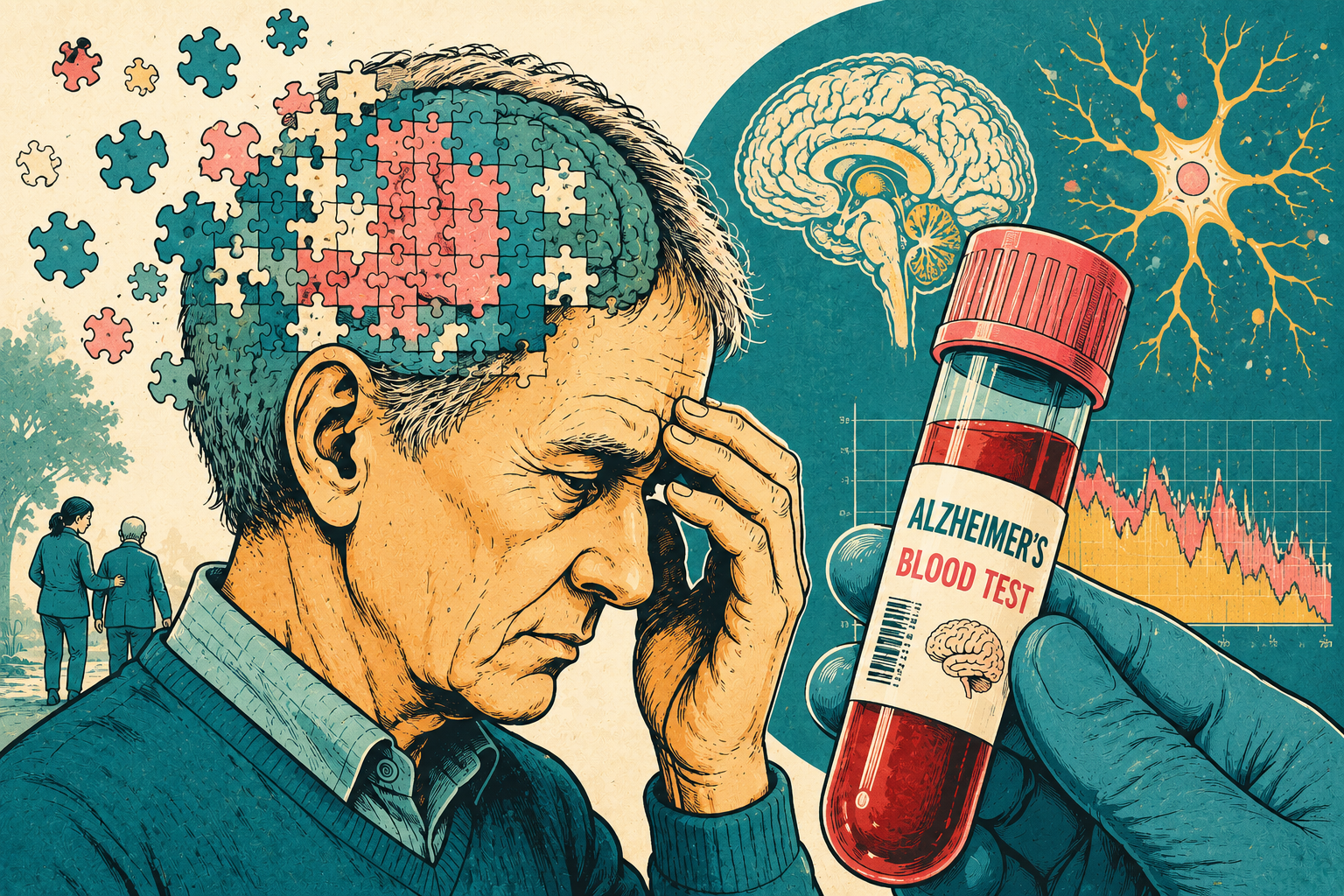
Before Memory Fades, the Blood May Know
A New Blood Test Signals a New Era in Alzheimer’s Detection
For generations, Alzheimer’s disease has carried a particularly cruel uncertainty. A person begins forgetting names. A familiar route suddenly seems unfamiliar. A word that once came effortlessly disappears in the middle of a sentence. Families notice these small changes and eventually confront a frightening question: Is this simply aging — or is something happening inside the brain?
Until recently, answering that question could lead to specialized neurological examinations, expensive PET brain scans, or a lumbar puncture to analyze cerebrospinal fluid. Now, something as ordinary as a blood draw may begin to change that journey.
On August 19, 2026, the U.S. Food and Drug Administration cleared Elecsys pTau217, a new blood test developed by Roche in collaboration with Eli Lilly. Roche announced the clearance on August 24. The test is designed to help physicians determine whether a patient has the amyloid brain pathology associated with Alzheimer’s disease. It marks another major step toward something scientists have pursued for decades: finding evidence of Alzheimer’s-related changes in the blood.
What Is pTau217?
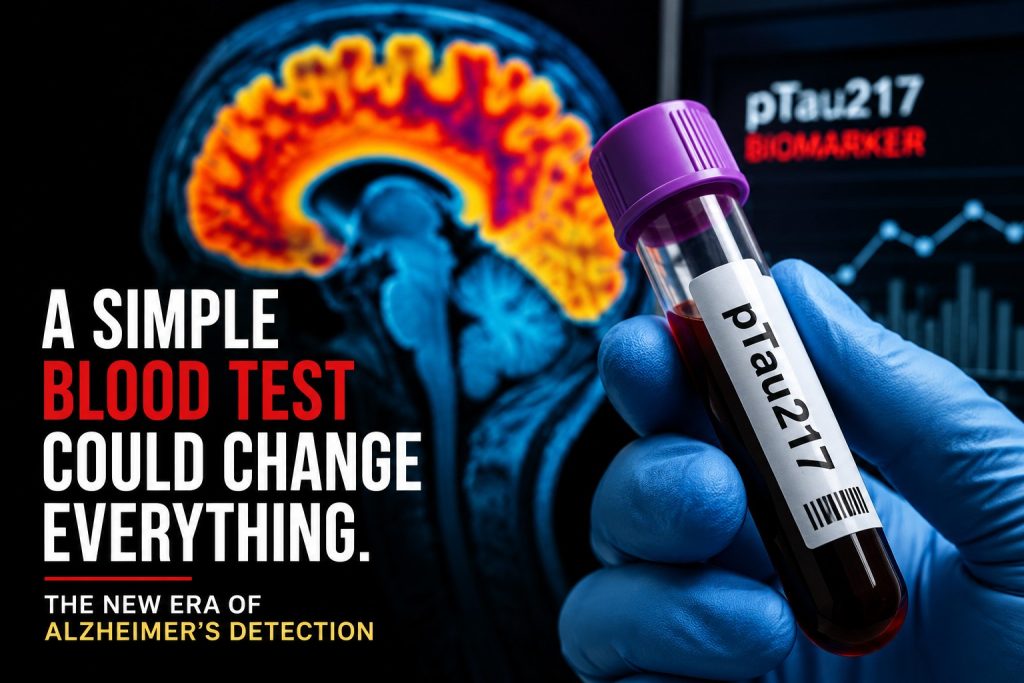
Two proteins have long been central to Alzheimer’s research: amyloid beta and tau. Amyloid can accumulate between nerve cells as plaques, while abnormal forms of tau are associated with damaging changes inside neurons. One particular form of tau — phosphorylated tau 217, or pTau217 — has emerged as an especially powerful blood biomarker for Alzheimer’s-related brain pathology.
What makes this development remarkable is where scientists can now measure that signal. Instead of looking directly inside the brain with a PET scanner or obtaining cerebrospinal fluid through a lumbar puncture, researchers can detect pTau217 in blood. The Elecsys test measures pTau217 in plasma and uses that information to help determine whether Alzheimer’s-associated amyloid pathology is likely to be present.
The test reports results in three categories — positive, intermediate or negative — helping physicians determine whether additional evaluation may be necessary. It does not replace a physician’s diagnosis, but it could make the first stage of investigating cognitive decline substantially simpler.
How Good Is It?
The scientific evidence behind pTau217 is what makes this development particularly compelling. In a 2026 study published in Alzheimer’s & Dementia, researchers evaluated the Elecsys pTau217 assay using samples from 2,148 people across five clinical research cohorts. Participants included people with cognitive impairment as well as people who appeared cognitively unimpaired, and researchers compared their blood results with amyloid PET imaging, an established method for detecting amyloid pathology in the brain.
Among cognitively impaired participants, those whose PET scans showed amyloid pathology had substantially higher pTau217 concentrations than those whose scans did not. The same general pattern appeared even among cognitively unimpaired participants. In other words, researchers were seeing in the blood a molecular signal closely associated with what PET imaging was revealing in the brain.
That relationship is why pTau217 has attracted such intense scientific interest. The goal is not simply to invent another laboratory test, but to find a reliable biological signal that can help physicians determine who is likely to have Alzheimer’s-related pathology and who may need more specialized evaluation.
Why a Blood Test Could Change Everything
PET imaging is sophisticated and valuable, but it is expensive and not readily available everywhere. Cerebrospinal fluid testing can also provide important information, but obtaining it generally requires a lumbar puncture. A blood sample is different: it can be collected in an ordinary medical office or laboratory.
Roche says its new test is designed to operate on more than 4,500 existing cobas laboratory instruments in the United States. That matters because much of the infrastructure needed to perform the test already exists. If blood biomarkers become routinely incorporated into medical practice, assessment for Alzheimer’s could gradually move beyond specialized memory clinics and neurological centers. A conversation that once might have begun with a specialist could increasingly begin in a primary-care physician’s office.
The implications could be especially important in communities where access to PET imaging or major neurological centers is limited. A blood test cannot replace all of those resources, but it may help physicians decide much earlier which patients truly need them.
Why Earlier Detection Matters More Now
There was once an uncomfortable question surrounding early Alzheimer’s diagnosis: Why discover the disease early if medicine could do little to alter its course? That calculation is beginning to change.
New disease-modifying treatments targeting amyloid pathology have emerged, while additional therapies are being investigated. These treatments do not cure Alzheimer’s. Their benefits can be modest, and their risks require careful consideration. But they introduce an important new reality: if treatment has its greatest opportunity to help during the earlier stages of disease, then identifying Alzheimer’s-related pathology earlier becomes increasingly valuable.
Diagnosis and treatment are therefore beginning to move closer together. A blood test could become one of the bridges between them — not because the test itself treats the disease, but because it may help identify the disease process at a point when medical decisions can potentially matter more.
What This Test Cannot Tell You
There is an important caution. Elecsys pTau217 is not a stand-alone test that tells someone, “You have Alzheimer’s disease.” The FDA-cleared use is for people 55 and older who already have signs, symptoms or complaints of cognitive decline. It is not intended as a general screening test for healthy people who simply want to know whether they might develop dementia decades from now.
Nor does a positive result automatically mean that someone has dementia. The test helps determine the likelihood of amyloid pathology associated with Alzheimer’s disease. Physicians must interpret the result together with symptoms, medical history, cognitive assessment and, when appropriate, additional diagnostic testing. The test also has not been established for predicting whether a person will eventually develop dementia or for monitoring whether an Alzheimer’s treatment is working.
That distinction matters. This is powerful science — but it is not fortune-telling.
The Larger Revolution
Perhaps the most important part of this story is not this particular test, but the direction medicine is moving. For much of medical history, the living human brain has been extraordinarily difficult to examine. Doctors often had to infer what was happening inside it from behavior, memory tests and neurological symptoms. Then came sophisticated brain imaging. Now, molecules circulating in the bloodstream are beginning to reveal biological changes associated with what is happening inside the brain.
The latest Elecsys test is particularly notable because a single biomarker — pTau217 — can support both rule-in and rule-out assessment of amyloid pathology, using validated clinical cutoffs across primary and specialty care. It is part of a rapidly developing field of blood-based biomarkers that could eventually alter how physicians approach one of the most feared diseases of aging.
What once required a highly specialized diagnostic pathway may increasingly begin with something remarkably ordinary: a tube of blood.
Before Memory Fades
Alzheimer’s disease remains one of medicine’s most formidable challenges. A blood test does not cure it. It cannot restore a forgotten name, a lost memory or a familiar face that has become difficult to recognize. But it may shorten the painful period of uncertainty between the first troubling signs and an explanation.
And as treatments continue to advance, time itself may become increasingly valuable. Earlier knowledge may give physicians more time to evaluate treatment options, families more time to plan, and patients more opportunity to participate in decisions about their own future.
For decades, medicine often recognized Alzheimer’s by what a person had already lost. The emerging science of blood biomarkers points toward a different future: one in which we may be able to see the disease process earlier — while there is still more memory left to protect.
TENVER VIEWS
The real significance of this breakthrough is not that Alzheimer’s can suddenly be cured — it cannot. It is that medicine may be shifting the timeline of the disease. For decades, Alzheimer’s was largely recognized after memory had already begun to disappear. Blood biomarkers such as pTau217 raise the possibility of identifying the biological signs of the disease earlier, more simply, and far more widely than before. As treatments improve, those additional months or years could become increasingly valuable. The future of Alzheimer’s medicine may depend not only on finding better treatments, but on finding the disease while there is still more of the person left to protect.
Sources & Further Reading
Roche Diagnostics. FDA clearance information for Elecsys Phospho-Tau (217P) Plasma, August 24, 2026.
This article is for informational purposes only and does not constitute medical advice. Alzheimer’s disease and cognitive impairment should be evaluated by qualified healthcare professionals.
-

What If Cancer Treatment Became Personal?
For most of modern medicine, cancer treatment has followed a familiar model: identify the type of cancer, then choose the best available treatment for it. But cancer is not quite that simple. Two people can have melanoma, yet the mutations driving their tumors may be very different.
What if, instead of giving both patients essentially the same medicine, we could build part of the treatment specifically for each person’s cancer? That possibility just moved an important step closer to reality.
A Milestone for Personalized Cancer Therapy
On August 19, 2026, Moderna and Merck announced that their Phase 3 INTerpath-001 trial had succeeded. The study involved 1,137 patients with high-risk stage IIB–IV cutaneous melanoma whose tumors had been completely removed by surgery. Researchers compared Merck’s immunotherapy drug Keytruda alone with Keytruda plus intismeran autogene, also known as V940 or mRNA-4157—an individualized mRNA therapy manufactured specifically for each patient.
The combination significantly improved both recurrence-free survival and distant metastasis-free survival compared with Keytruda alone. That matters because Phase 3 is where many promising experimental treatments fail. This trial cleared that critical hurdle.
According to Moderna and Merck, this is the first positive Phase 3 trial of an individualized neoantigen therapy—and of an mRNA-based cancer therapy.
How Do You Make a Cancer Treatment for One Person?
The idea is remarkably elegant. Doctors begin with the patient’s own tumor. Scientists sequence it and search for mutations that produce abnormal proteins called neoantigens—molecular signatures that distinguish the cancer cells from normal cells.
From those mutations, they select targets unique to that patient’s cancer. Then they manufacture an mRNA therapy carrying instructions for those targets. Intismeran can encode as many as 34 tumor-specific neoantigens.
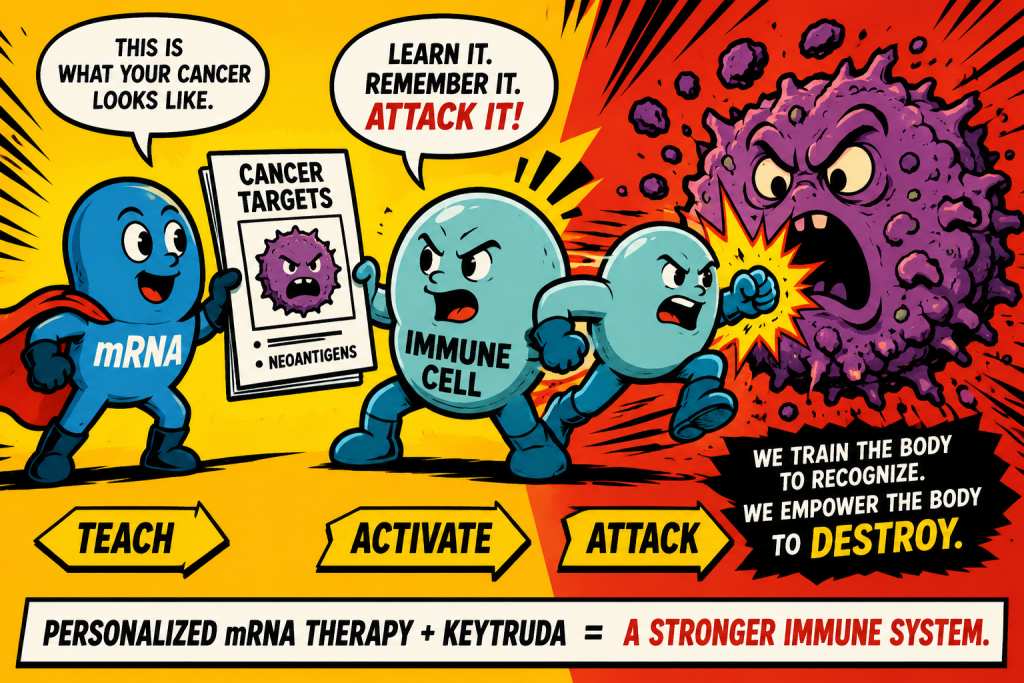
Once administered, the mRNA helps train the immune system to recognize those targets. In simplified terms, the message is:
This is what your cancer looks like.
Learn it. Remember it. Attack it.Keytruda plays a complementary role. It blocks PD-1, one of the mechanisms tumors can exploit to restrain immune cells. One treatment helps show the immune system what to attack. The other helps free it to attack.
The Earlier Results Were Already Striking
The Phase 3 announcement did not come out of nowhere. An earlier randomized Phase 2b study followed high-risk stage III–IV melanoma patients for a median of 60.3 months—about five years.
Compared with Keytruda alone, the personalized mRNA combination produced a: 49% reduction in the risk of recurrence or death and a 59% reduction in the risk of distant metastasis or death.
Those are relative risk reductions, not claims that 49% or 59% of patients were cured. That distinction matters. But five years of follow-up suggested that the benefit was durable—and the larger Phase 3 trial has now crossed another critical threshold.
Why This Could Be Bigger Than Melanoma
The most important part of this story may not ultimately be melanoma. It may be the platform. Medicine has been moving toward precision oncology for years: sequence a tumor, identify a mutation, and choose a drug that targets it.
Personalized mRNA therapy takes the concept further. Instead of merely asking:
Which existing medicine best matches this patient’s tumor?
we can begin asking:
Can we manufacture a treatment from the biological information contained in this patient’s tumor?
That is a very different idea. The medicine is no longer entirely mass-produced. Part of it becomes personal.
Moderna and Merck are already testing intismeran across multiple cancers, including melanoma, non-small cell lung cancer, bladder cancer and renal cell carcinoma. If the approach succeeds in several cancers, this melanoma trial could eventually be remembered as something much larger than a melanoma breakthrough. It could become an early milestone in the industrialization of personalized medicine itself.
Hope, Without Hype
There is also plenty we still don’t know. This is not a vaccine that healthy people can take to prevent cancer. It has not cured cancer. Intismeran remains investigational, and the companies have not yet released the detailed numerical results from the Phase 3 trial. They plan to present them at an upcoming international medical meeting and discuss regulatory filings with health authorities. We also don’t yet know whether the treatment will extend overall survival.
And personalization creates a practical challenge: every treatment must be designed and manufactured from an individual patient’s tumor. Sequencing, computational analysis, manufacturing, quality control and delivery all have to happen fast enough—and eventually cheaply enough—to make the approach practical on a large scale.
So this is not the end of the story. It may be the beginning.
The TENVER View
The breakthrough is not that we have cured cancer. We haven’t.
The breakthrough is that an idea once confined largely to experimental medicine has now succeeded in a large Phase 3 trial: Take the unique genetic fingerprint of one person’s cancer. Turn that information into mRNA. And use it to teach that person’s immune system what to fight.
For most of medical history, millions of patients have been treated with medicines manufactured identically for millions of people. Cancer may be pushing medicine toward something different.
The question is no longer simply:
Can personalized mRNA cancer therapy work?
Now we can begin asking:
How well can it work?
For how many cancers?
How quickly can we make it?
And how personal can medicine ultimately become?Perhaps the future of cancer treatment will not be defined by finding one miraculous drug that defeats every cancer. Perhaps it will be defined by something almost opposite:
The age of treating “cancer” may slowly be giving way to the age of treating your cancer.
Key Papers & Sources
1. Moderna & Merck — INTerpath-001 Phase 3 Results (2026)
Phase 3 trial of intismeran autogene (V940) plus KEYTRUDA in high-risk melanoma
The Phase 3 trial met its primary endpoint of recurrence-free survival and its key secondary endpoint of distant metastasis-free survival.Merck — Phase 3 INTerpath-001 Results
2. Weber JS, et al. (2024)
Individualised neoantigen therapy mRNA-4157 (V940) plus pembrolizumab versus pembrolizumab monotherapy in resected melanoma
The Lancet
This randomized Phase 2b trial provided the clinical foundation for the Phase 3 program and demonstrated improved recurrence-free survival with personalized mRNA therapy plus pembrolizumab.3. Moderna & Merck — Five-Year Follow-Up (2026)
Long-term follow-up of KEYNOTE-942 / mRNA-4157-P201
At approximately five years of follow-up, the combination showed a 49% reduction in the risk of recurrence or death and a 59% reduction in the risk of distant metastasis or death compared with KEYTRUDA alone. -
Can We Really Regrow Teeth?
For generations, losing an adult tooth has meant one thing: it is gone for good. That assumption may finally be facing a serious scientific challenge.
The idea did not begin with a futuristic dental device. It began with an unusual observation in biology: when a protein called USAG-1 is removed or blocked, the molecular signals involved in tooth development become stronger—and in animal experiments, additional teeth can form.
But the story did not begin in 2021. Fourteen years earlier, in 2007, researchers reported something remarkable: mice lacking USAG-1 developed extra teeth. A year later, researchers connected the phenomenon to two of the biological signaling systems that help govern tooth development—BMP and Wnt.
The crucial leap came in 2021, when researchers showed that an antibody could block USAG-1 and restore tooth formation in animal models—turning a genetic observation into a potential therapeutic strategy.
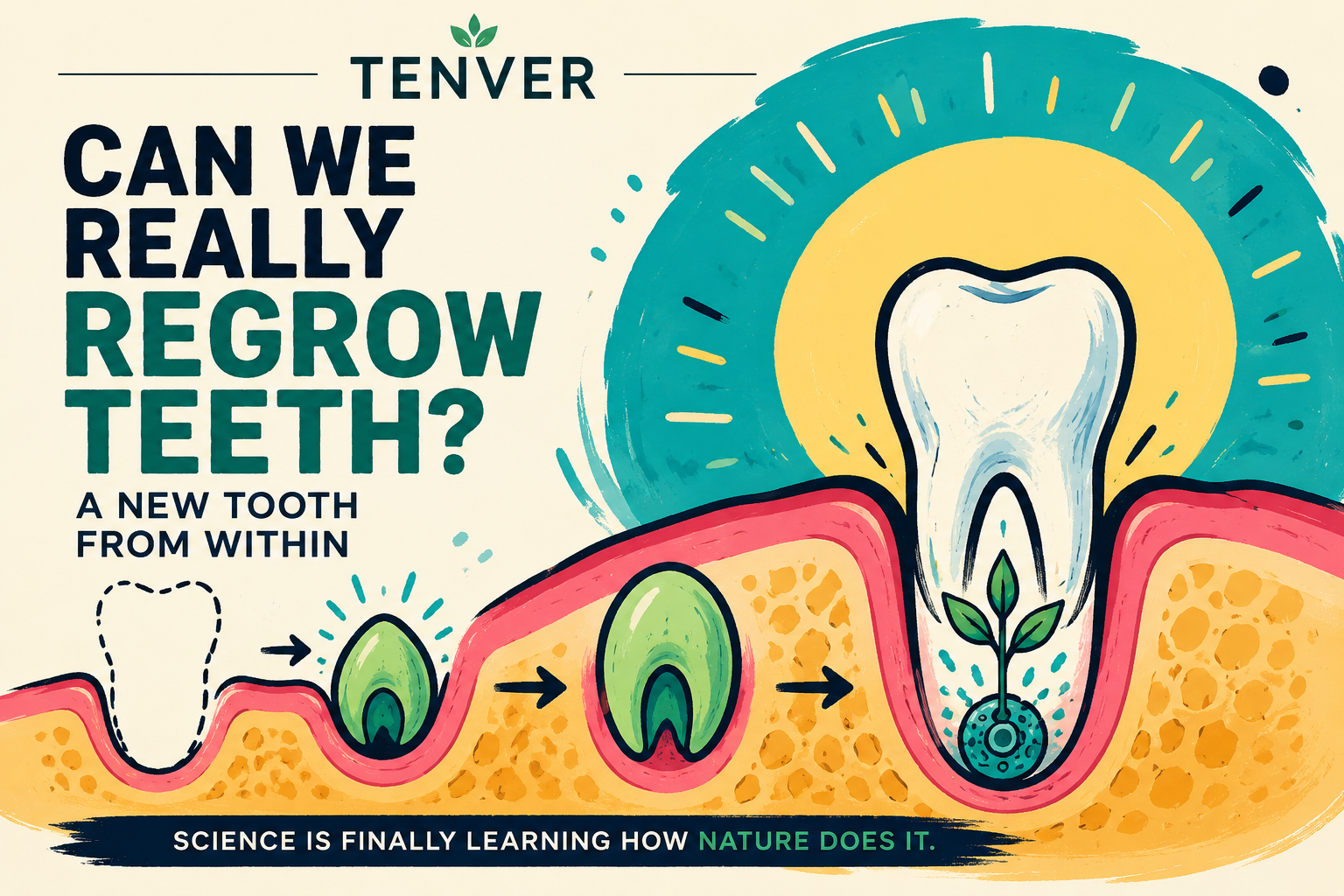
Think of USAG-1 as a biological brake. During tooth development, signals such as BMP help tell cells when and where teeth should form. USAG-1 helps restrain those signals. The researchers’ idea was surprisingly simple: instead of trying to build a tooth from scratch, what if they could temporarily release one of the body’s own brakes and allow a dormant tooth-forming program to restart?
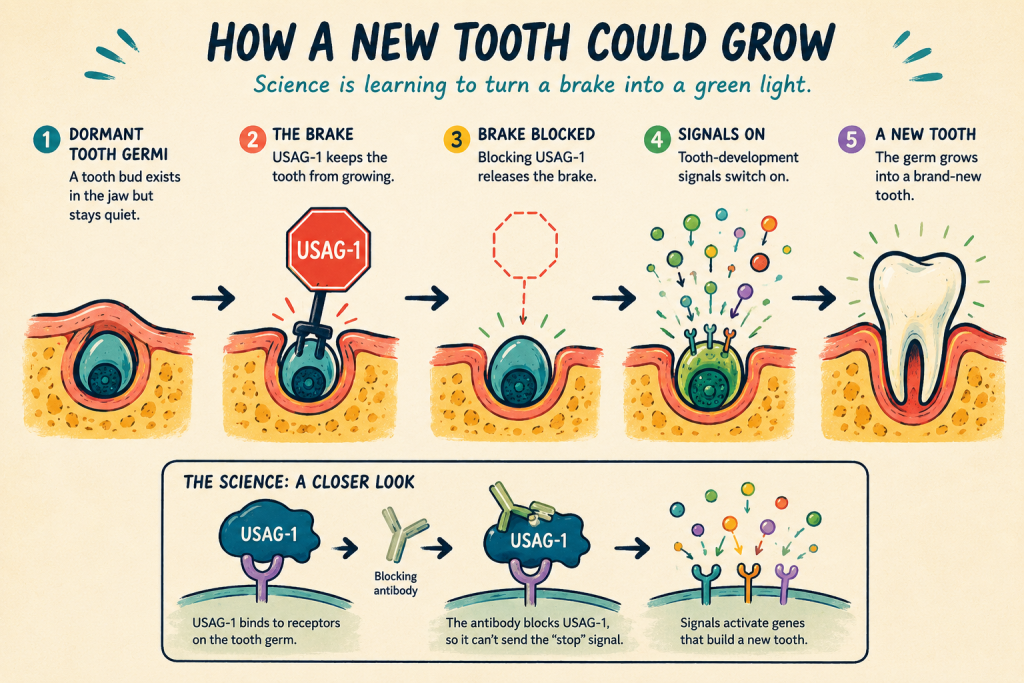
That idea eventually led to a humanized antibody called TRG035. Rather than implanting an artificial tooth or engineering one outside the body, the experimental treatment is designed to neutralize USAG-1 and potentially allow a tooth that failed to develop to resume its natural developmental program.
So, can a person who loses a tooth simply receive an injection and grow a new one? Not yet. The first human study of TRG035 was designed primarily to test safety, not to prove that the drug can regrow lost teeth. And the treatment’s first intended target is much narrower: people born with missing teeth, a condition known as congenital tooth agenesis.
Why start with people who were born without certain teeth? Because in some forms of congenital tooth agenesis, the biological machinery for making a tooth may not be entirely absent—it may have started and then stalled. Researchers describe these as developmentally arrested tooth germs. By blocking USAG-1, they hope to release that developmental brake and allow some of those tooth germs to continue growing.
Here is where the story becomes even more intriguing. Humans normally develop two sets of teeth—baby teeth and permanent teeth. But researchers have long observed evidence of what they call a “third dentition”: rudimentary tooth structures that can sometimes develop beyond the normal permanent set. In rare cases, these structures may help explain why some people develop extra, or supernumerary, teeth.
The Japanese researchers wondered whether this largely dormant third set could someday be deliberately awakened. In ferrets, whose two-stage dental pattern has similarities to ours, a USAG-1-neutralizing antibody produced an additional whole tooth resembling a third dentition. That result was striking—but it was still an animal experiment, not proof that the same thing will happen in humans.
Could This Eventually Replace Dental Implants?
Possibly—but that is a much bigger leap. Today’s dental implants replace a missing tooth with an artificial structure. Regenerative dentistry aims at something fundamentally different: persuading the body to produce a living tooth of its own. If that ever becomes reliable and controllable, it could transform dentistry. But TRG035 has not yet been shown to regenerate ordinary adult teeth lost to decay, gum disease, injury, or aging.
That distinction matters. A treatment that helps a developmentally arrested tooth grow is not the same as routinely replacing any tooth lost decades later. Researchers would still need to determine whether a new tooth can be generated in the right location, with the right shape and size, properly aligned with neighboring teeth, and safely integrated with bone, nerves, and the bite.
Where Things Stand Now
The program has completed its initial Phase I safety study in adults, which was designed primarily to evaluate the safety and dosing of TRG035—not to prove that people could grow new teeth.
The next test will be far more consequential. In August 2026, Japan’s PMDA completed its review of the clinical trial notification for a Phase IIa study of TRG035 in patients with congenital tooth agenesis, clearing an important regulatory step toward the next stage of clinical testing. The study must still proceed through the necessary institutional and clinical steps before it can provide the answer everyone ultimately cares about: can blocking USAG-1 actually restore missing teeth in people?
What We Know—and What We Don’t
What we know is genuinely exciting. Scientists have identified a biological pathway capable of influencing tooth formation, demonstrated tooth restoration or additional tooth formation in animal models, developed a humanized antibody targeting that pathway, and moved the treatment into human clinical development.
What we do not know is equally important. No peer-reviewed evidence has yet shown TRG035 growing a new tooth in a human being. We do not yet know how reliably a regenerated tooth could be positioned, shaped, controlled, or whether this approach will ever work for ordinary tooth loss later in life. Those questions remain open.
The TENVER View
Tooth regeneration is no longer merely a science-fiction idea. There is real biology behind it, years of animal research behind it, and now a drug candidate in human clinical development. That alone makes this a story worth watching.
But the most exciting possibility—the day when an ordinary adult could replace a lost tooth by growing a new one—remains a possibility, not a medical reality. The science has opened a door. It has not yet shown us what lies on the other side.
Key Papers & Sources
1. Murashima-Suginami A, et al. (2008)
Enhanced BMP signaling results in supernumerary tooth formation in USAG-1 deficient mouse
Biochemical and Biophysical Research Communications
An early study showing that mice lacking USAG-1 developed supernumerary teeth, helping establish USAG-1 as an important regulator of tooth formation.2. Murashima-Suginami A, et al. (2008)
Enhanced BMP signaling results in supernumerary tooth formation in USAG-1 deficient mouse
Biochemical and Biophysical Research Communications, 369(4), 1012–1016
This study showed that enhanced BMP signaling contributes to supernumerary tooth formation in USAG-1-deficient mice and helped clarify the signaling mechanism behind the earlier finding.3. Murashima-Suginami A, et al. (2021)
Anti–USAG-1 therapy for tooth regeneration through enhanced BMP signaling
Science Advances, 7(7), eabf1798
This landmark study showed that blocking USAG-1 with an antibody could rescue tooth agenesis in mouse models and induce whole-tooth formation. The researchers also demonstrated additional tooth formation resembling a third dentition in ferrets.4. Takahashi K, et al. (2024)
Development of a new antibody drug to treat congenital tooth agenesis
This paper describes the development of a humanized anti-USAG-1 antibody and the scientific path toward clinical treatment for congenital tooth agenesis.5. Toregem BioPharma Co., Ltd. (2026)
Announcement for Completion of the PMDA Investigation of CTN (Clinical Trial Notification) for TRG035 Phase IIa Trial
August 17, 2026
Toregem announced that Japan’s PMDA had completed the required investigation of the clinical trial notification for a Phase IIa study of TRG035 in patients with congenital tooth agenesis, clearing an important regulatory step toward the next stage of clinical testing.
NEW LIST TEST
-

What If Weight Loss Is Only the Beginning?
-

ଯେଉଁ ଆସନ୍ତାକାଲିକୁ ସେ ହୁଏତ ଦେଖିପାରିବେ ନାହିଁ, ସେହି ଆସନ୍ତାକାଲି ପାଇଁ ଗଛ ଲଗାଉଥିବା ମଣିଷ
-
The Man Who Planted for a Tomorrow He May Never See
-

When Normal Changes
-
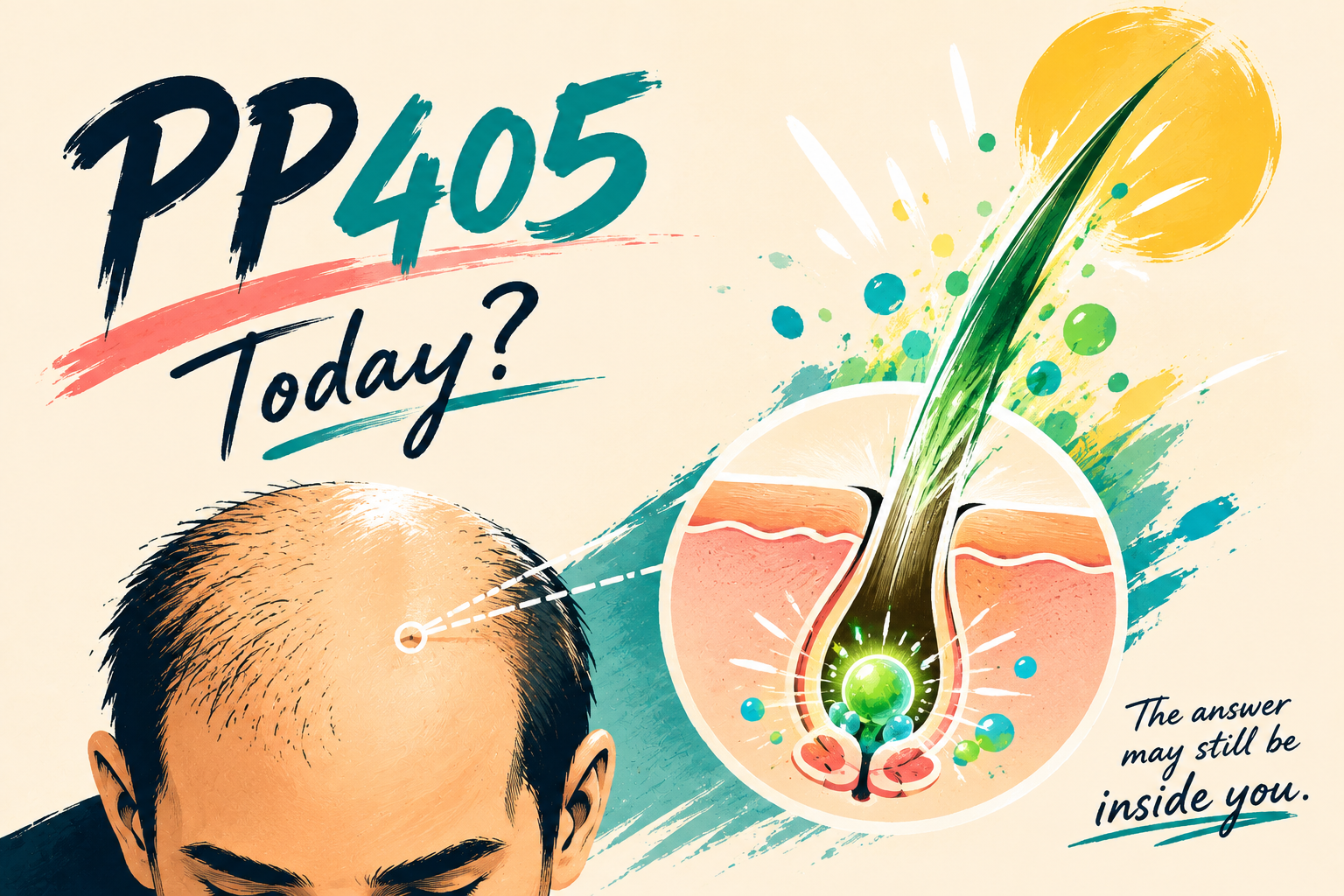
PP405 Is Getting Closer — Protect Your Follicles Before That Day Comes
-

Why Can’t We Just Become Friends by Chance Anymore?
-

Why Does Adulthood Feel So Expensive?
-
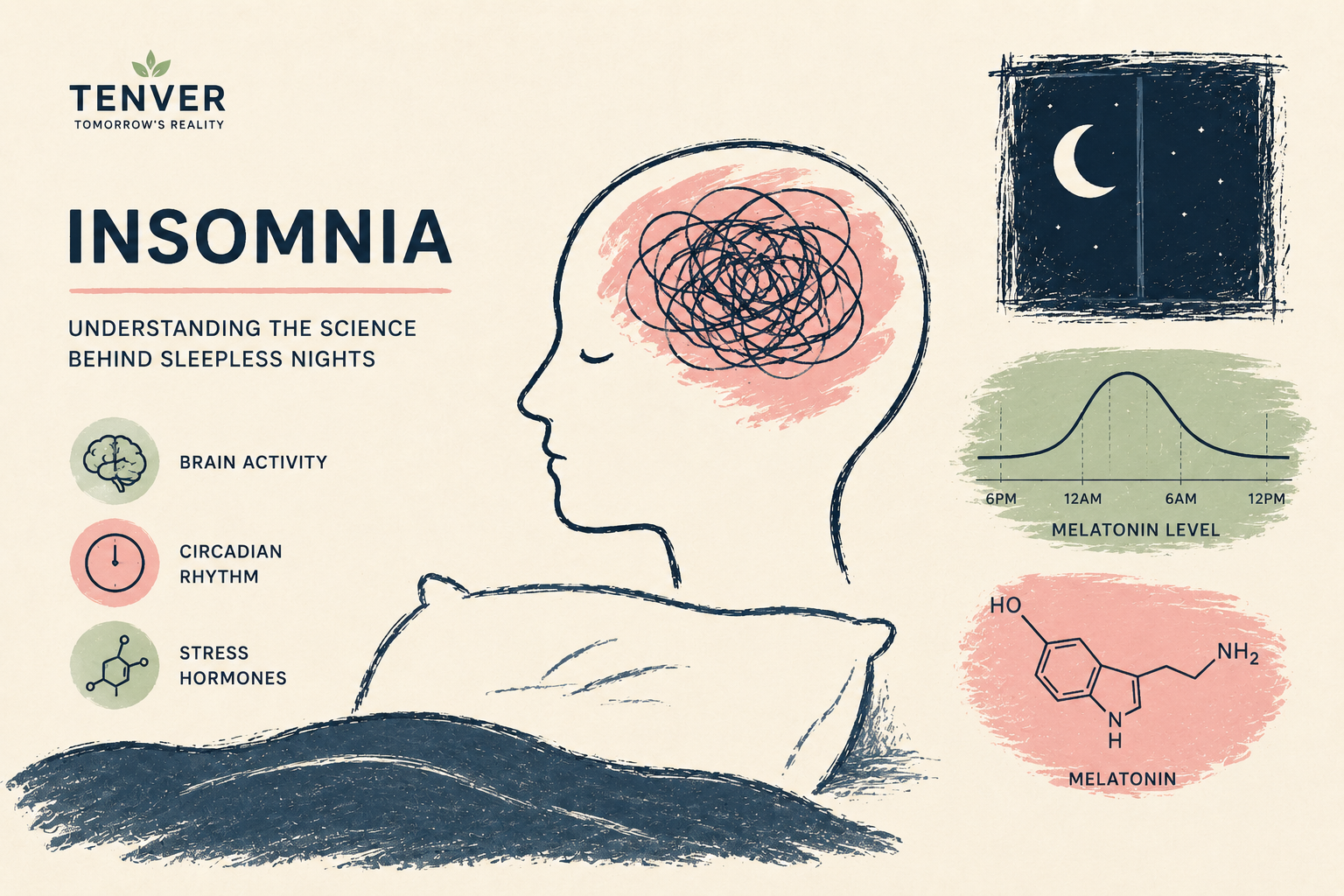
Why Are You Exhausted All Day — But Wide Awake at Night?
-
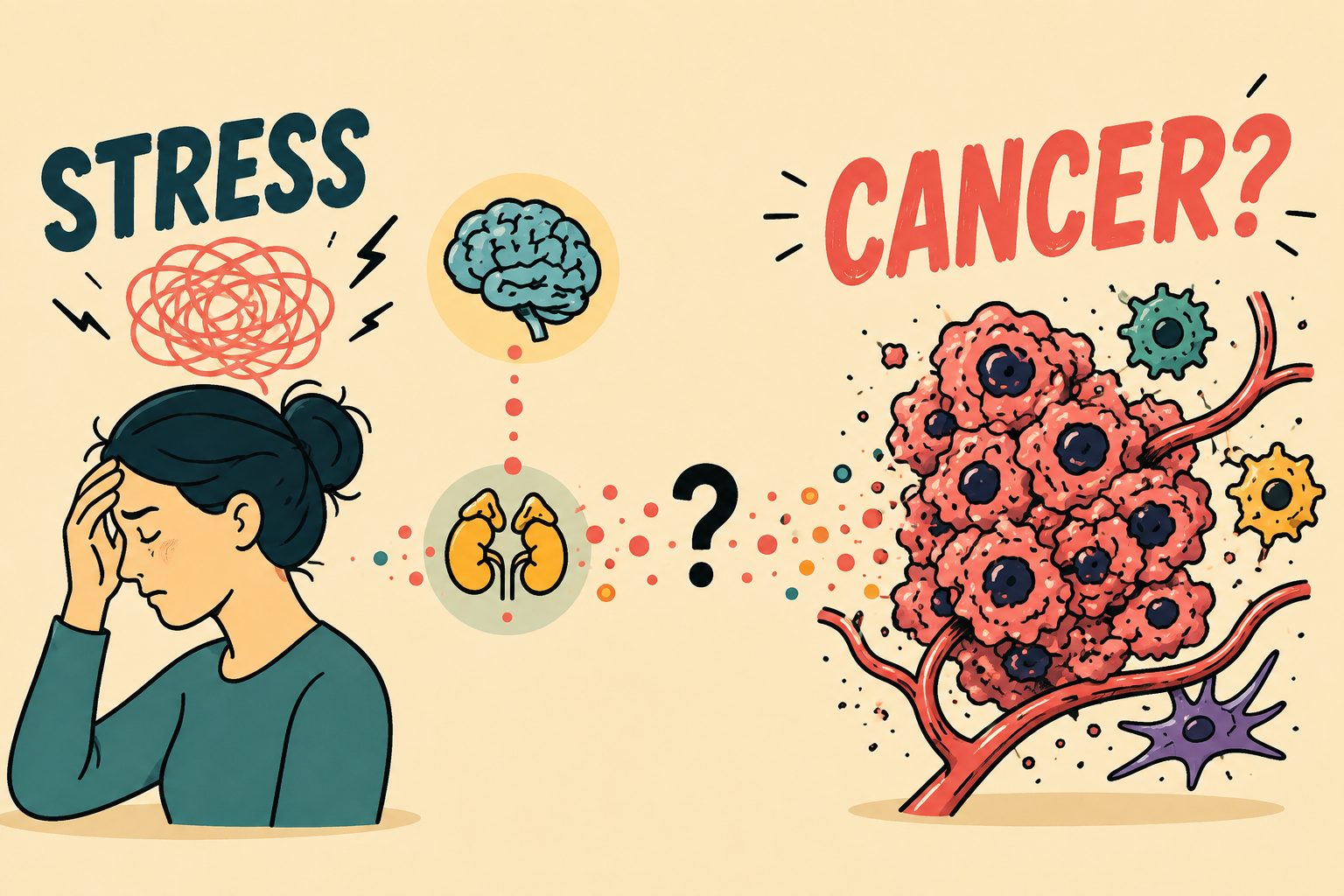
Does Chronic Stress Feed Cancer?
-
What If Baldness Isn’t Permanent?
-
Before Memory Fades, the Blood May Know
-
What If Cancer Treatment Became Personal?
-
Can We Really Regrow Teeth?